Last updated: September 2026
Planning a trip to Banff is incredibly exciting, but it involves a little more advance planning than those dreamy turquoise-lake photos suggest. Between choosing where to stay, figuring out how many days you need, reserving transportation to the lakes, and budgeting for a fairly expensive destination, there are several crucial things worth knowing before you book.
We visited Banff in early June with my parents and our one-year-old son, flying from Dallas into Calgary and staying near Banff town. Banff remains one of the most beautiful places I have ever visited! But after experiencing it firsthand, I also know which details can make your trip much easier (like knowing you cannot drive your own car to Moraine Lake!).
Here we’ll dig into everything you need to know when planning a first trip to Banff! Let’s get to it!
Quick Answers for Planning a Trip to Banff

| Question | Quick Answer |
| How many days do you need in Banff? | Three full days is the minimum I recommend. Five days gives you time for the Icefields Parkway, while seven lets you add Jasper without racing through either park. |
| What is the best month to visit Banff? | Choose late June through September for thawed turquoise lakes and accessible hiking. September usually brings cooler weather and fewer crowds, though larch season creates its own rush. |
| How much does a Banff trip cost? | A family of four should roughly budget $650–$1,500 CAD ($470–$1,080 USD) per day in summer before flights. Where you stay is the biggest variable. |
| What is the biggest thing to know before visiting? | You cannot take a personal vehicle to Moraine Lake. Reserve the Parks Canada shuttle when seasonal bookings open, or use Roam Transit or a licensed operator. |
Planning a Trip to Banff: The Decisions That Matter Most
1. Give yourself at least three full days in Banff
You can see a surprising amount of Banff National Park in three days. That is what we did, and it gave us enough time for Lake Louise, Moraine Lake, part of Yoho National Park, the Icefields Parkway, Johnston Canyon, and Banff town.
But three days is an efficient trip—not a leisurely one. My three-day Banff itinerary shows you how to organize those highlights with minimal backtracking.
If you have more time, here is how I would use it:
- Three days: Banff town, Lake Louise, Moraine Lake, Johnston Canyon, and one scenic drive
- Five days: Add more of the Icefields Parkway, an extra hike, and breathing room for weather or transportation delays
- Seven days: Continue to Jasper and spend at least two nights there
For most first-time visitors, I think four or five days is the sweet spot. It gives you enough flexibility to enjoy the scenery instead of treating every lake like a box to check.
2. Time your trip around the experience you actually want
Banff is open year-round, but a summer hiking trip and a winter ski trip feel like completely different vacations.
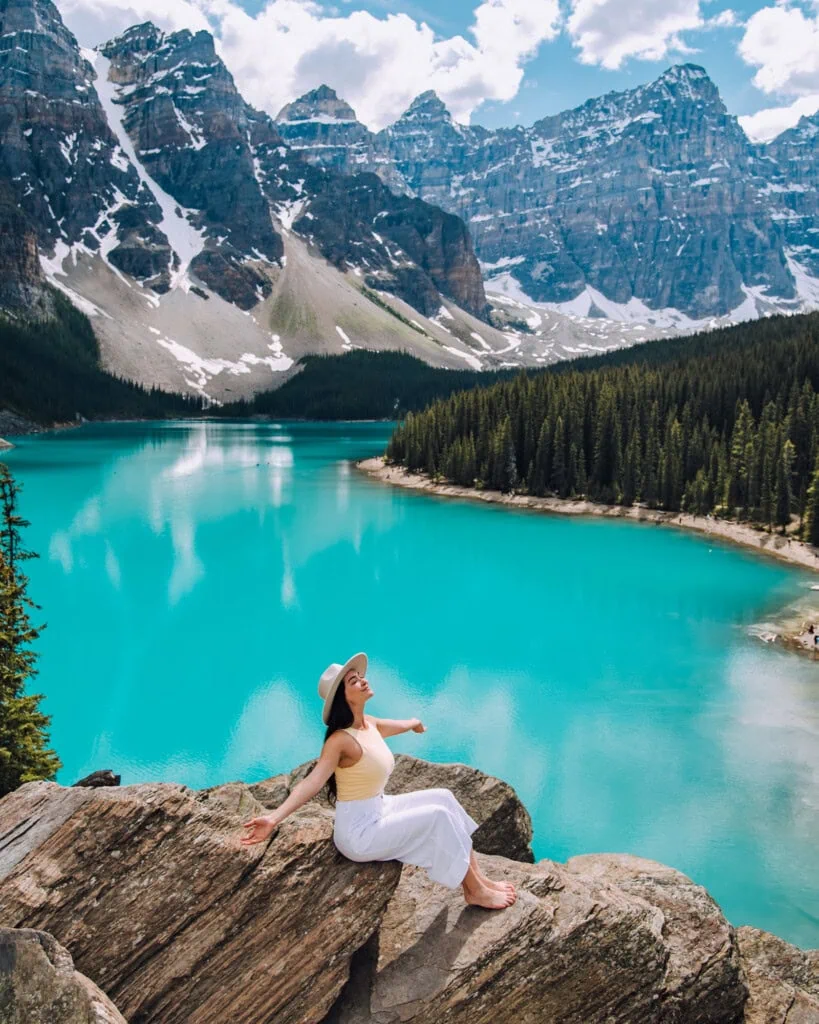
For the classic turquoise-lake experience, plan for late June through September. As a general guideline, Parks Canada says Lake Louise and Moraine Lake usually melt by late May, but alpine hiking season does not begin until late June. We visited in early June just as Moraine Lake opened, and going that early helped us avoid the absolute peak of the summer crowds. Just know that thaw timing and trail conditions vary each year.
July and August generally bring the warmest weather, longest days, highest hotel prices, and largest crowds. September can be beautiful and slightly calmer, but weekends during golden larch season are extremely popular. May and early June are tempting for lower prices, but some lakes, roads, and high-elevation trails may still look or feel like winter.
Winter is wonderful if skiing, frozen lakes, snowshoeing, and a true snowy mountain town are what you want. The annual Banff SnowDays Festival, which includes ice sculptures at Lake Louise, is another seasonal draw. It is not simply a cheaper version of summer: some roads and attractions operate differently, daylight is shorter, and winter driving requires more preparation.
3. Choose between Banff, Canmore, and Lake Louise as your base
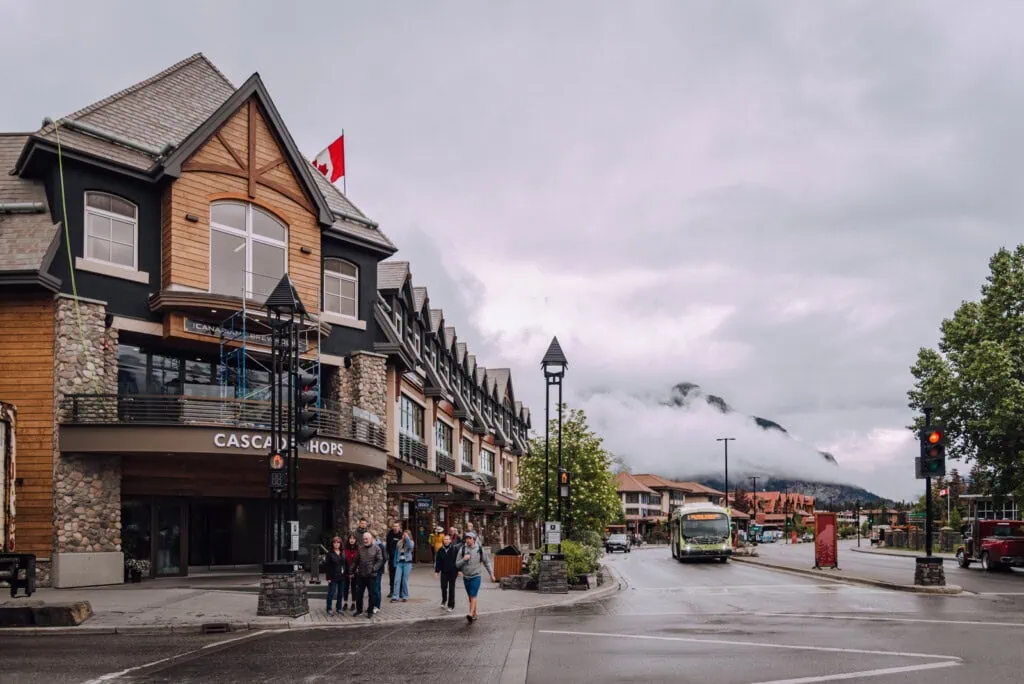
Where you stay affects both your budget and how much time you spend in the car.
Stay in Banff town if this is your first trip and you want the most convenient all-around base. You can walk to shops and restaurants, use Roam Transit, and easily reach places like Fairmont Banff Springs, Bow Falls, the Cascade of Time Garden, Banff Upper Hot Springs, and the Banff Gondola. Lake Louise is roughly 45 minutes away. We stayed at Tunnel Mountain Resort, where the cabin-style accommodations worked especially well for sharing space with my parents and our son. I would absolutely choose the Banff area again for a first visit.
Other Banff lodging options include:
Stay in Canmore if you have a car, want more restaurant and lodging choices, or are trying to lower the cost of a family trip. Options include Blackstone Mountain Lodge and The Malcolm Hotel. It is outside Banff National Park and usually about 20 minutes from Banff town, although summer traffic can stretch that drive.
Stay in Lake Louise if your priority is early lake access, hiking, or a special stay at the Fairmont Chateau Lake Louise. Other options include Deer Lodge and Lake Louise Inn. The tradeoff is a much smaller lodging and dining selection, plus more driving when you want to explore Banff town or attractions farther east.
4. Book summer lodging, your rental car, and lake transportation early
Banff is not a destination where I would wait for a spontaneous summer deal. Hotels, larger family rooms, rental cars, and the most desirable shuttle windows can all sell out.
Start with lodging because it is usually your largest expense and hardest reservation to replace. Then book your rental car if you need one. Next, make a plan for Lake Louise and Moraine Lake rather than assuming you will figure it out after arrival.
In 2026, Parks Canada released 40% of its seasonal shuttle seats when reservations opened on April 15. The remaining 60% were released at 8 a.m. Mountain Time two days before departure. That second release is a useful backup, but I would not make it my family’s only plan.
September’s larch season deserves the same advance planning as midsummer, particularly on weekends.
Tip: While I usually book a rental car separately from my flight, when we flew WestJet, it was way cheaper to rent a car through them! So keep an eye on this if you’re doing the same thing!
5. You need a Banff National Park pass
Everyone stopping within Banff National Park needs park admission in addition to any shuttle, parking, or activity tickets. You can buy your park pass online or at a park entrance. We purchased ours at the entrance while driving from Calgary.
As of September 2026, daily admission is $12.25 CAD per adult, $10.75 per senior, or $24.50 for a family/group of up to seven people arriving in one vehicle. Youth 17 and younger enter free. A daily pass remains valid until 4 p.m. the following day, and you can buy admission for your entire stay at once.
The Parks Canada Discovery Pass costs $83.50 CAD per adult or $167.50 per family/group and covers more than 100 participating national parks, historic sites, and marine conservation areas for a year. At current prices, it begins to make financial sense at about seven days—especially if your trip includes other Canadian national parks.
One nice detail: the same daily admission covers nearby mountain parks including Jasper and Yoho, so you do not need a separate park pass to make the Emerald Lake detour in my itinerary.
Always check the current Banff fees before your trip. Canada offered a temporary free-admission promotion during part of summer 2026, but regular fees resumed September 8.
Tip: If you’re exploring national parks in Canada for more than a week, it’s cheaper to buy a discovery pass. A discovery pass is valid for a full year and gives you access to more than 100 national parks, marine conservation areas, and historic sites across Canada. It costs $72.25 for an adult, $61.75 for a senior, free for a youth, and $145.25 for a family or group. (See current pricing here.)
How to Get to Banff and Whether You Need a Car

6. Fly into Calgary and allow about 90 minutes for the drive
Calgary International Airport (YYC) is the main airport for a Banff trip. From there, the drive to Banff is roughly 90 minutes on the Trans-Canada Highway when conditions are good.
From Dallas, American Airlines currently offers nonstop DFW-to-Calgary service, but routes change seasonally, so check the schedule for your exact dates. We flew WestJet on our trip. Calgary also stood out as one of the most toddler-friendly airports I have used, which was a very welcome surprise when traveling with a one-year-old!
Before reserving a rental car separately, compare the rate offered during your flight booking. WestJet’s bundled rental-car price was significantly cheaper for our trip.
If you do not want to drive, the Banff Airporter connects the Calgary airport with Banff and Canmore throughout the day. As of September 2026, an adult Calgary–Banff ticket starts at $88.90 CAD each way before tax and possible fuel surcharges.
7. You can visit Banff without a car—but a car expands your options
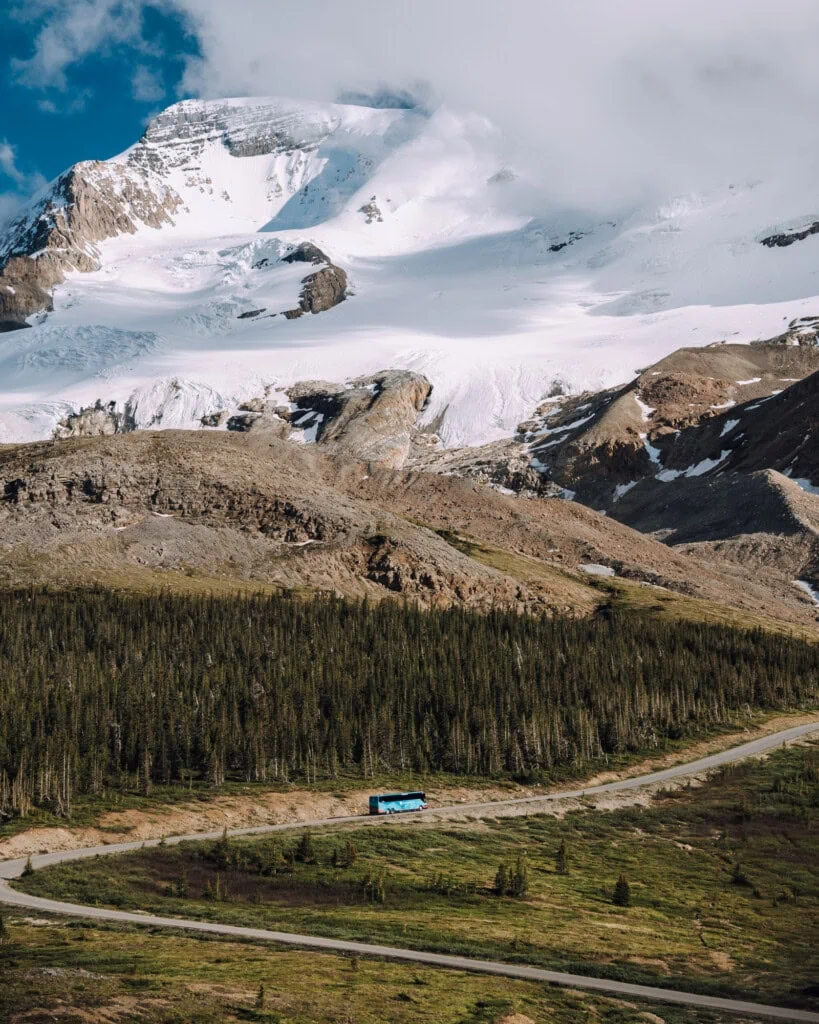
The honest answer to “Do you need a car in Banff?” is no for a summer trip centered on the major attractions, but yes for maximum flexibility.
If you stay in Banff town, Roam Transit can take you to places including Lake Louise, Johnston Canyon, Lake Minnewanka, and the Banff Gondola area. Parks Canada shuttles handle Lake Louise and Moraine Lake from the Park and Ride. You can also compare other shuttle service options or book a guided tour. A car-free itinerary can actually remove the two biggest summer headaches: driving and parking.
I would still rent a car if you want to explore Yoho National Park, Kananaskis, or multiple stops along the Icefields Parkway. We also appreciated having our own vehicle with a toddler, stroller, and all the extra gear that comes with them.
If your plan is mostly Banff town plus the two famous lakes, price the airport shuttle and transit before automatically booking a car. If you want scenic drives and less-visited stops, rent one.
8. You cannot drive a personal vehicle to Moraine Lake
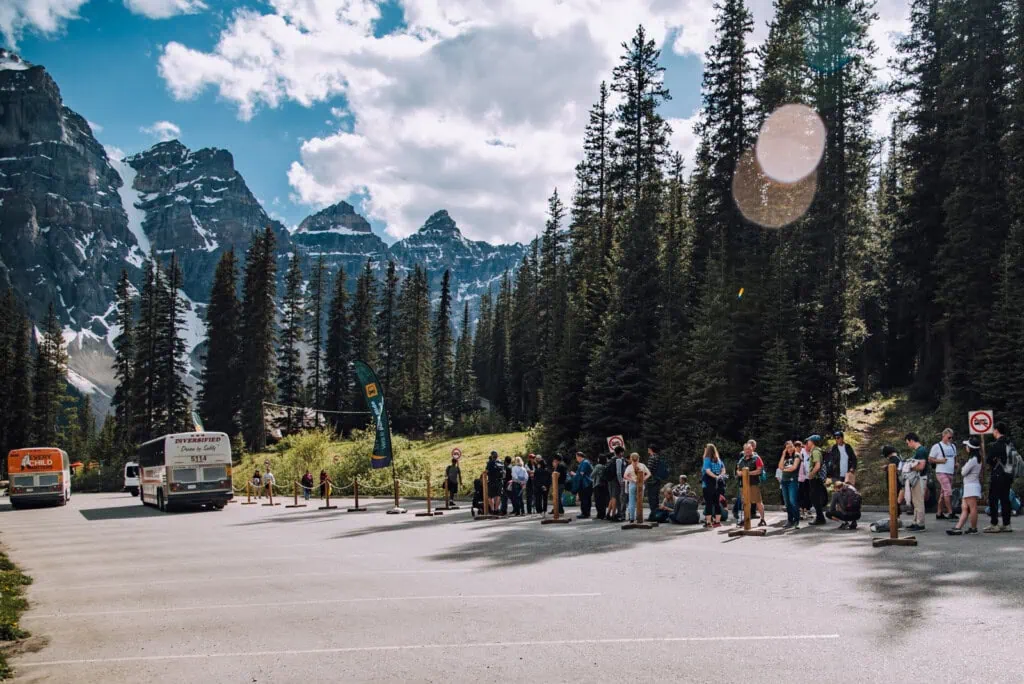
This is the Banff travel tip I most wish every first-time visitor saw before booking anything: Moraine Lake Road is closed to personal vehicles year-round.
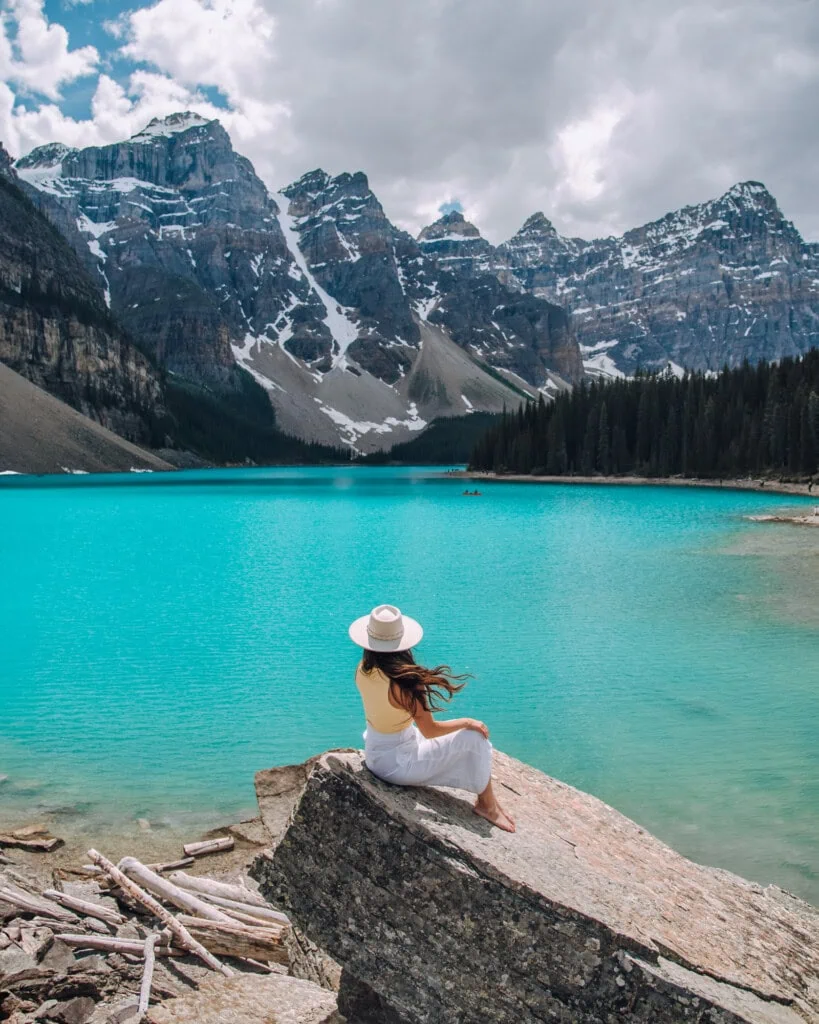
During the 2026 season, the lake was accessible from June 1 through October 12, weather permitting, via Parks Canada shuttles, Roam Transit connections, licensed commercial operators, or for registered guests of Moraine Lake Lodge. The dates change with weather and from year to year.
The simplest option for most visitors with a rental car is a Parks Canada shuttle reservation. You park free at the Lake Louise Park and Ride, check in during your reserved one-hour window, and take the bus to your first lake. The same ticket includes your return trip and the Lake Connector between Moraine Lake and Lake Louise.
In 2026, the shuttle cost $12.75 CAD per adult, $6 per senior, and $4 per youth, plus one $3.50 online reservation fee per booking. Up to 10 seats could be reserved together.
The Lake Connector ran every 30 minutes from 7 a.m. to 6 p.m. We had no wait on the way to Moraine Lake, but our return line took around 40 minutes—exactly why I recommend leaving buffer time even after you have a reservation.
If you are staying in Banff without a car, Roam’s $30 CAD Reservable Super Pass includes the trip to Lake Louise, unlimited Roam service for the day, and access to the Parks Canada Lake Connector for Moraine Lake. Children 12 and younger ride free but still need reservations.
9. Do not rely on finding parking at Lake Louise
You technically can drive to the Lake Louise lakeshore, but I would not build a summer plan around it. Parks Canada reports that the lot often fills before sunrise and that about 75% of vehicles trying to reach Upper Lake Louise were turned away last summer after spaces filled.
Paid parking at the lakeshore costs $42 CAD per vehicle per day from May 15 through October 12, 2026. That charge is separate from your national park admission, and there is nowhere to wait for a space when the lot is full.
The better answer for most families is to reserve the Parks Canada shuttle and leave the car at the free Lake Louise Park and Ride. One shuttle reservation can cover both Lake Louise and Moraine Lake in the same day, so it is more predictable and may cost less than lakeshore parking.
If you decide to try driving anyway, go before sunrise or later in the day and have a real backup plan—not just the hope that someone will leave.
10. Winter driving requires the right tires and extra preparation
If you plan to drive the Icefields Parkway between Lake Louise and Jasper from November 1 through March 31, your vehicle must have snow tires or chains. The requirement also applies at any other time when the road is covered in snow or ice.
Do not assume every rental car automatically includes compliant winter tires. Confirm directly with the company before booking.
Parks Canada recommends completing winter drives during daylight, filling your gas tank in advance, and carrying warm clothing, water, food, and an emergency kit. There are no services along the Icefields Parkway in winter, and cell service is unavailable for much of the route. Check Alberta 511 and Parks Canada’s closure notices immediately before leaving.
Banff Travel Tips for Your First Visit

11. Remember that prices are in Canadian dollars
Banff is in Alberta, Canada, so the prices you see are in Canadian dollars unless a business specifically says otherwise. In September 2026, one Canadian dollar was worth about $0.72 USD, although the exchange rate changes constantly.
That means a $42 CAD parking charge was roughly $30 USD—not $42 USD. Let your credit card process the conversion and decline “pay in USD” when a terminal offers dynamic currency conversion, since that rate may be worse.
Credit cards and contactless payments are widely accepted, so we did not need much cash. Check your card for foreign transaction fees and add Canadian roaming or an international data option to your phone plan before leaving the United States. Tipping at sit-down restaurants is broadly similar to the U.S.; 15–20% is customary depending on the service.
And yes, American citizens flying into Canada need a valid passport. Banff may feel like an easy extension of a U.S. mountain trip, but it is still international travel.
12. Your Banff packing list should cover multiple seasons
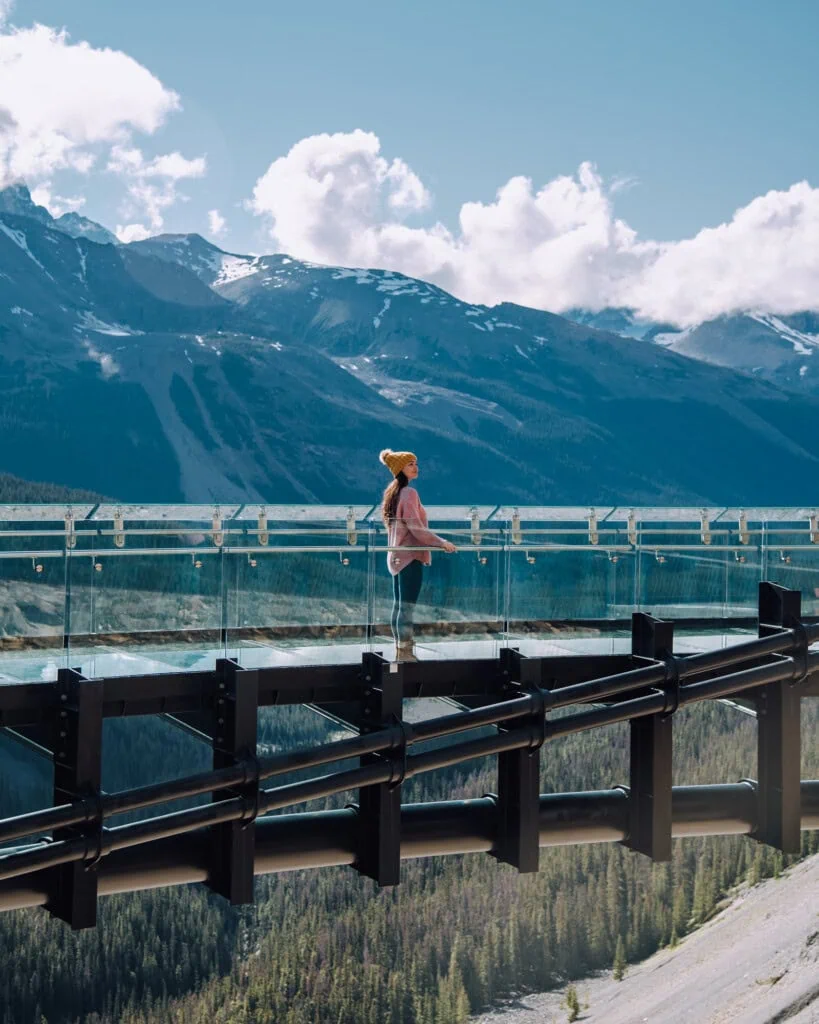
Mountain weather can change quickly, even in July and August. Pack so that you can add or remove layers throughout the day.
For a summer Banff trip, I would bring:
- A light base layer plus a sweater or fleece
- A waterproof or water-resistant jacket
- Comfortable, broken-in trail shoes with good traction
- Warm socks and an extra pair in your day bag
- A hat, sunglasses, and sunscreen
- A refillable water bottle and easy snacks
- A small backpack for layers and toddler supplies
- A portable charger and downloaded offline maps
I would choose real trail shoes over slick lifestyle sneakers, even if you are not planning a serious hike. Paths near waterfalls can be wet, and snow or mud can linger well into the season.
We used a stroller at Johnston Canyon and made it to the Lower Falls, but there were a few places where we had to lift it over roots and rocks. If you are traveling with a baby or young toddler, a carrier gives you more flexibility on trails.
13. Prepare for wildlife without expecting—or approaching—it

We saw a black bear eating beside the road while driving from Yoho National Park toward Johnston Canyon, and we spotted what I believe was a coyote near the Lake Louise townsite. They were two of the most memorable moments of our trip, but wildlife sightings are never guaranteed.
Parks Canada requires visitors to stay at least 30 meters (three bus lengths) from deer, elk, sheep, and moose, and 100 meters (10 bus lengths) from bears, wolves, cougars, and coyotes. Never feed, follow, crowd, or coax an animal closer. If an animal changes its behavior because of you, you are already too close.
When you see wildlife beside the road, remain in your vehicle, take a quick photo only if you can stop safely, and move along before a wildlife jam forms.
Carry bear spray on trails, keep it accessible rather than buried in a backpack, and learn how to use it before you hike. You generally cannot fly with the large canisters sold for bear protection, so plan to buy or rent it in Banff or Canmore and ask the retailer how to dispose of or return it responsibly. Hike in a group when possible, make noise, and follow posted closures.
14. Banff’s crowds are real, but they are predictable
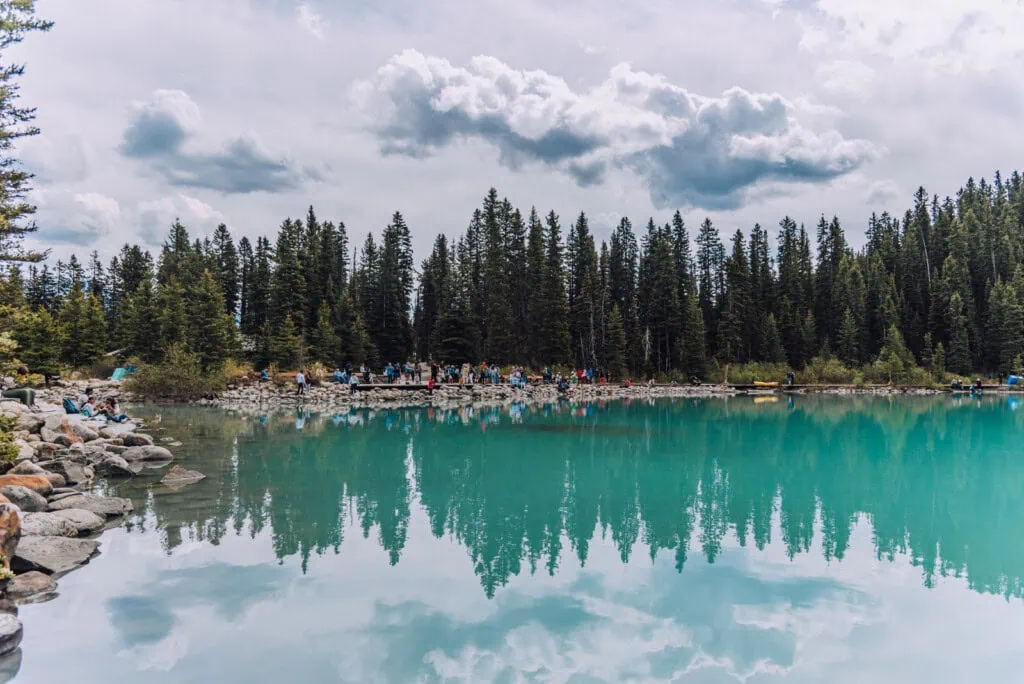
Lake Louise and Moraine Lake feel busiest in the middle of the day. If your transportation allows it, aim for an early morning or evening visit. The light is often prettier then anyway!
Crowds also thin dramatically once you hike beyond the first viewpoint. At Moraine Lake, many visitors stop after the short Rockpile Trail. At Lake Louise, the shoreline closest to the Chateau is far busier than the trail as you continue around the lake.
Weekdays help, but they do not make July or August quiet. Build your plan around reservations and timing rather than expecting a Tuesday to feel empty.
Johnston Canyon is another place I would visit early in the morning. The narrow catwalks can feel congested later, particularly around the Lower Falls tunnel.
15. Reserve your priority meals in advance
After organizing lakes, hikes, and shuttles, dinner is easy to overlook. Banff town has plenty of restaurants, but popular places and convenient family dining times can fill on summer weekends.
Make reservations for any meal that matters to you—especially Sky Bistro, a special meal at one of the Fairmont properties, or dinner during prime hours in Banff town. Leave the rest flexible so a shuttle delay or longer-than-expected hike does not turn into a missed reservation.
If you stay in Lake Louise, advance planning matters even more because there are fewer nearby choices. Canmore has a broader restaurant selection but adds driving time if you spend the day inside the park.
16. Leave at least one unscheduled hour in every day
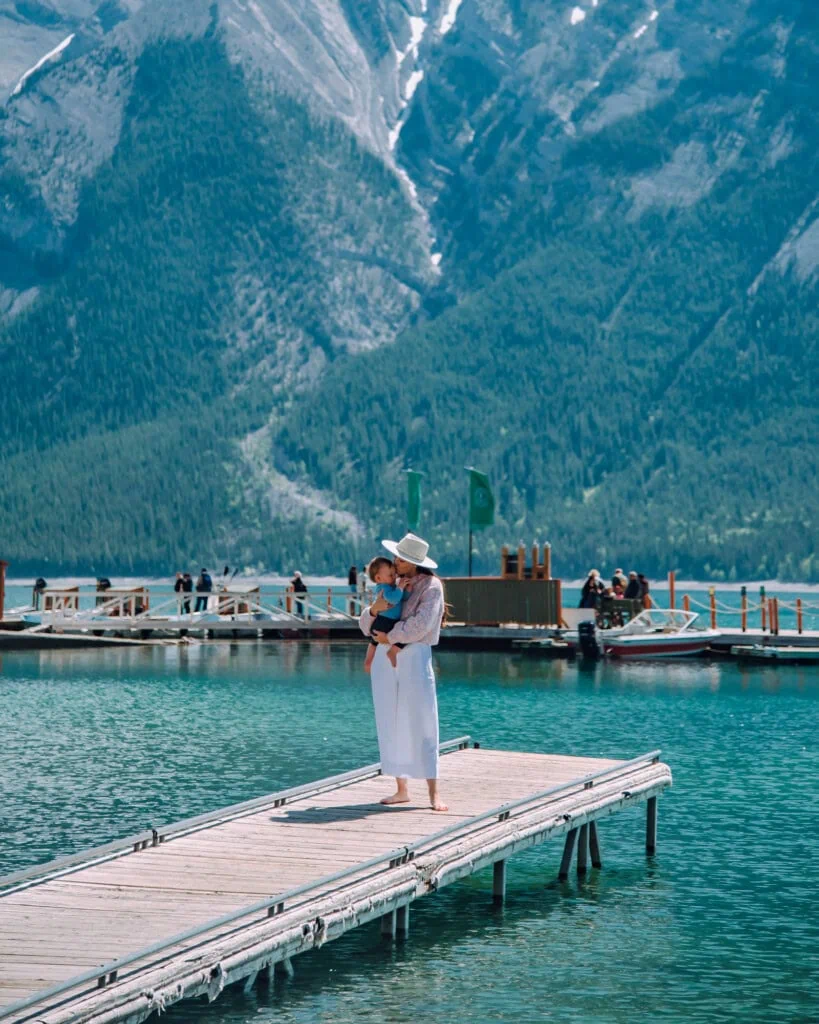
Banff looks compact on a map, but transitions take longer than you expect. You may wait 30–60 minutes for a shuttle, circle for parking at a trailhead, stop for wildlife, encounter road construction, or simply want more time at a lake.
I would intentionally leave at least one hour of open space each day. If nothing delays you, that hour becomes time for Banff Avenue, a scenic pullout, or an unhurried meal. If weather changes or your toddler has other plans (spoken from experience), your entire itinerary does not collapse.
This is also why I would not schedule Lake Louise, Moraine Lake, the Icefields Parkway, and a timed dinner on the same day. Banff rewards early starts, but it does not reward trying to squeeze every famous place into one impossible loop!
17. Add two lower-cost experiences: Johnston Canyon and the Legacy Trail
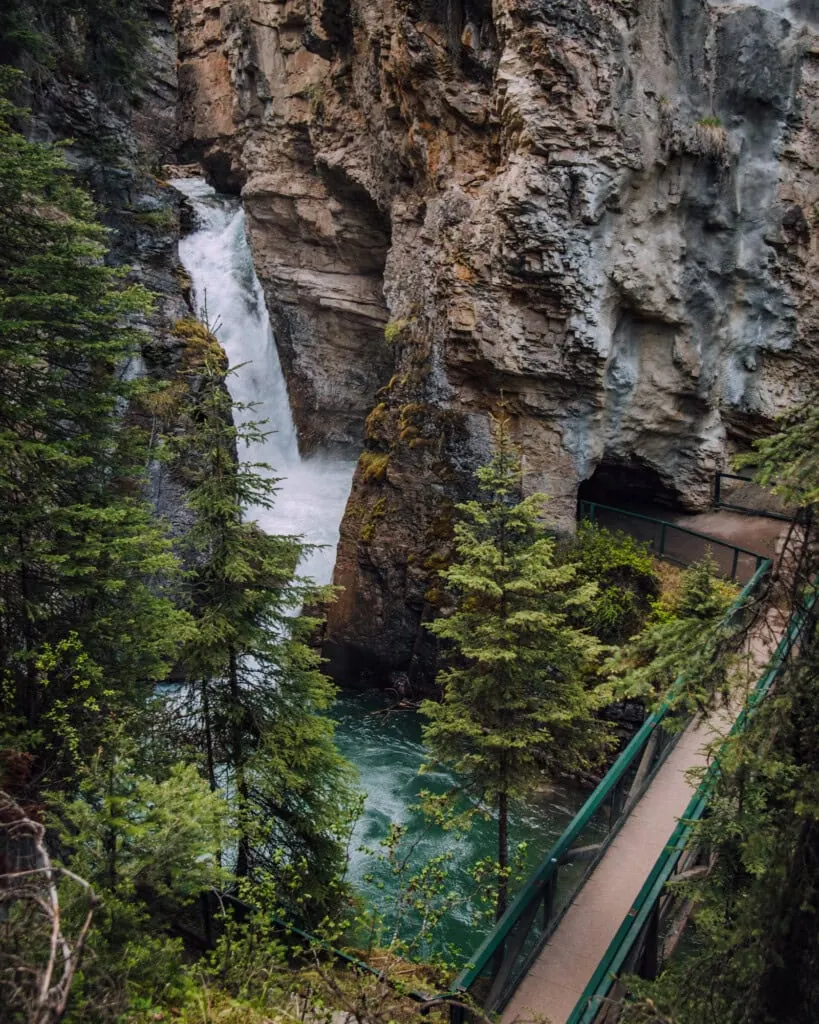
You do not need a paid tour every day to make a Banff trip feel special.
Johnston Canyon is one of the best first hikes for families and casual hikers. The Lower Falls are about 1.1 kilometers (0.7 miles) from the trailhead, and a short tunnel brings you close enough to feel the spray. Go early to avoid congestion. We brought James in the stroller and managed the route with only a few lifting moments, although I would use a carrier next time for ease.
The Banff Legacy Trail is a paved multi-use path connecting Banff and Canmore with wide mountain views along the way. Rent bikes or e-bikes if you did not travel with your own. The full ride may be too much for every family, but even doing part of it offers a different way to see the Bow Valley without booking an expensive excursion.
Both are included with your park admission; your main added costs are transportation or bike rental.
Is Banff Expensive? A Realistic Budget

18. Budget about $650–$1,500 CAD per day for a family of four in summer
Yes, Banff can be expensive—especially from late June through August. Lodging is the biggest reason, followed by food and a rental car. But the park’s scenery, viewpoints, and most hikes do not require separate admission beyond your park pass.
Because prices vary enormously by date, the table below is a planning estimate for a family of four, not our exact trip total. It excludes flights and assumes a summer stay in a hotel or condo, two adults, two children, and one optional paid activity. USD estimates use a rounded September 2026 conversion of $1 CAD = $0.72 USD.
| Expense | Typical daily cost (CAD) | Approx. daily cost (USD) |
|---|---|---|
| Lodging | $350–$700 | $250–$505 |
| Rental car and fuel | $100–$200 | $72–$145 |
| National park admission | $24.50 per family/group | About $18 |
| Lake shuttle on one day | About $33.50 plus the booking fee | About $24 plus the booking fee |
| Food | $150–$250 | $110–$180 |
| One paid activity | $0–$300+ | $0–$215+ |
| Estimated total | $650–$1,500 | $470–$1,080 |
The three biggest ways to reduce the total are:
- Stay in Canmore and compare condo-style rooms where you can prepare breakfast or dinner. However, note that this adds to total drive time each day!
- Travel in the shoulder season, while checking that the roads, lakes, and trails you want are actually accessible.
- Choose hikes and scenic drives over tours. Splurge on the one activity you care about most instead of booking something paid every day.
Sharing our Tunnel Mountain Resort cabin with my parents also made our accommodations more practical than booking multiple standard hotel rooms.
Banff vs. Jasper vs. Lake Louise
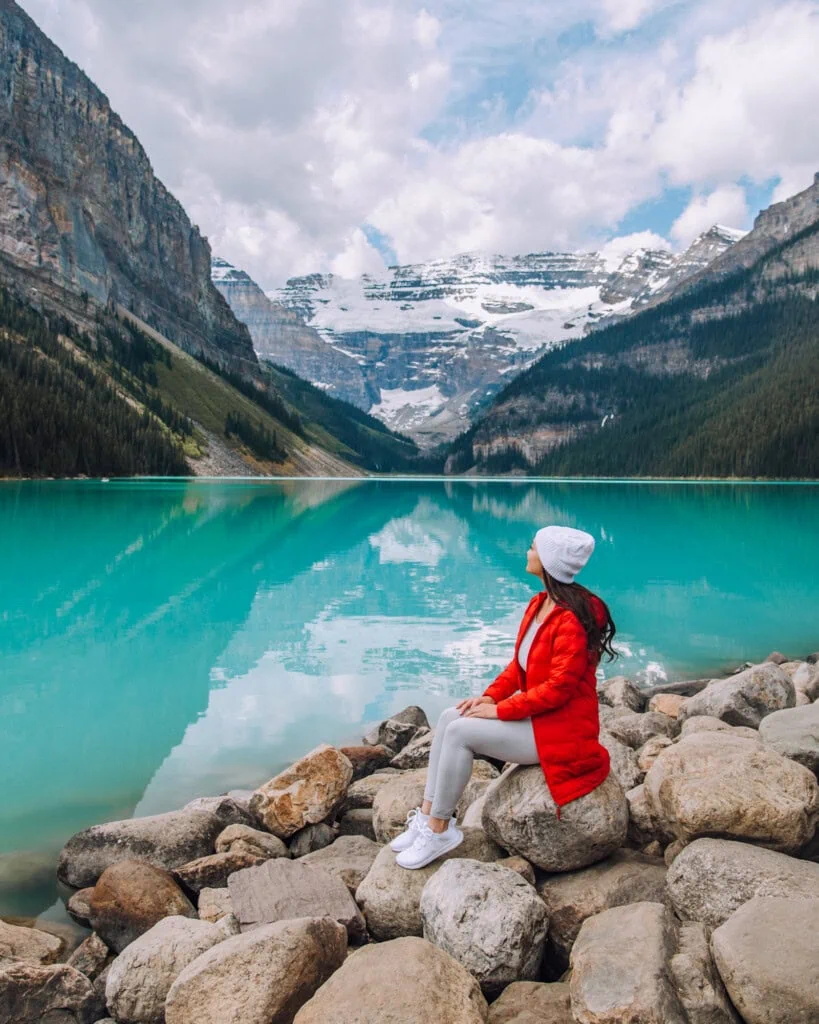
19. For a first Canadian Rockies trip, choose Banff before Jasper
Banff and Jasper are both part of the Canadian Rockies, and the mountain parks collectively form a UNESCO World Heritage Site.
Banff is the easier first choice for most families. It is closer to Calgary, has more restaurants and lodging, and gives you access to famous lakes, approachable hikes, and scenic drives within a relatively compact area.
Jasper feels more spread out and generally quieter. I would add it when you have at least seven days for the Canadian Rockies, since the Icefields Parkway between the parks deserves a full day rather than being treated as a commute.
Jasper is open to visitors following the 2024 wildfire, but recovery and rebuilding remain underway. Some roads, trails, facilities, and fire-affected areas may still be closed. Check Parks Canada’s live What’s Open in Jasper National Park map before planning your route or reserving a specific activity.
My short answer: choose Banff for your first trip or a vacation of five days or fewer. Add Jasper when you have seven or more days and want a quieter, broader road trip.
20. Lake Louise vs. Banff is really a question of where to sleep
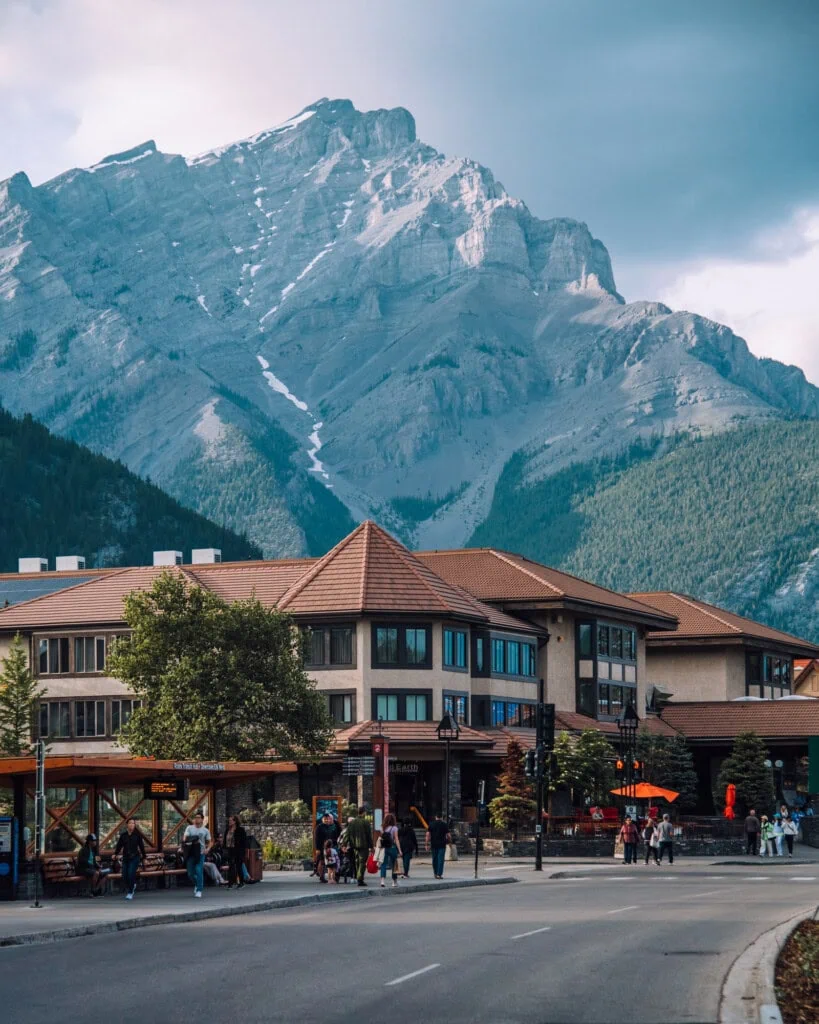
Lake Louise is within Banff National Park, about 55 kilometers (34 miles) from Banff town. You do not need to choose one to visit; almost every first Banff trip should include both.
The actual choice is where you want to stay. Banff town is better for restaurants, shops, transit connections, and a livelier home base. Lake Louise is better for immediate access to the lakeshore and nearby trails, but it has fewer hotels and dining options.
For our family trip, staying near Banff town was the right decision. We could enjoy the town in the mornings or evenings, and then devote a carefully planned day to Lake Louise and Moraine Lake. Unless a lakefront stay is the centerpiece of your trip, that is the setup I recommend to most first-time visitors.
Is Banff Worth Visiting?

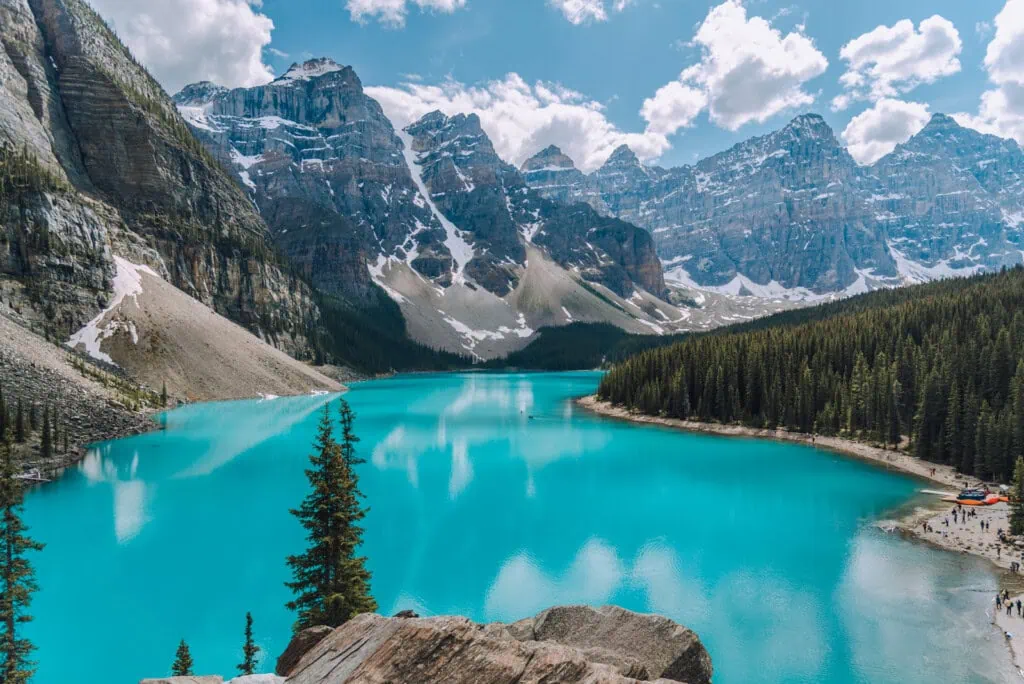
Absolutely. Banff is crowded, expensive, and more logistically complicated than its dreamy lake photos suggest, but it is also every bit as beautiful as I hoped it would be. Seeing Moraine Lake from the Rockpile Trail, driving beneath the peaks, and unexpectedly spotting a bear beside the road are memories I still think about.
The key is to plan the limited pieces—lodging, lake transportation, and any must-do activity—then leave the rest of your trip flexible. Banff is not a place where you need to manufacture a packed schedule. The scenery does most of the work for you.
Planning a Trip to Banff FAQ
How many days do you need for a Banff trip?
Allow at least three full days for Banff town, Lake Louise, Moraine Lake, Johnston Canyon, and a scenic drive. Five days is better if you want to explore the Icefields Parkway without rushing, while seven gives you time to add Jasper.
What is the best month to go to Banff?
Late June through September is best for thawed turquoise lakes and summer hiking. Choose September for cooler weather and somewhat lighter crowds, but book early if you are visiting during popular larch season.
How much does a trip to Banff cost?
A family of four should plan on roughly $650–$1,500 CAD ($470–$1,080 USD) per summer day before airfare. Staying in Canmore, cooking some meals, and prioritizing free hikes can move you toward the lower end.
What do I need to know before going to Banff?
You cannot drive a personal vehicle to Moraine Lake, and parking at Lake Louise is limited, costly, and often full before sunrise. Reserve a shuttle or transit before your trip, buy a national park pass, and leave extra time in each day for crowds, weather, and transportation waits.
Can you visit Banff without a car?
Yes. Stay in Banff town, take an airport shuttle from Calgary, and use Roam Transit plus Parks Canada shuttles for major attractions including Lake Louise and Moraine Lake. Rent a car if you want more flexibility for Yoho, Kananaskis, or the Icefields Parkway.
Do kids need a Banff National Park pass?
No. Admission to Parks Canada places is free for youth 17 and younger, although adults still need a daily or Discovery Pass. Children may also need their own reserved seat and paid fare on shuttles even when park admission is free.
Final Thoughts
Planning a Banff trip can feel like a lot when you first encounter the passes, shuttle reservations, and parking rules.
Once those pieces are settled, though, the rest becomes wonderfully simple: get outside, follow the weather, and give yourself time to stop when the mountains or lakes are even more beautiful than you expected. Trust me, that will happen often!
Safe travels,
Jasmine