Oahu and the Big Island can both fill a Hawaii vacation, but they reward very different travelers. In a nutshell: Choose Oahu for beaches, food, history, shopping, and an easier, more varied trip. Choose the Big Island for volcanoes, manta rays, stargazing, and a quieter resort vacation.
Our first Oahu trip was our honeymoon, when Harrison and I stayed in Waikīkī and skipped the rental car to save money. We walked to the beach and dinner, and at the time the simplicity felt ideal. Returning years later with a Jeep completely widened the frame: suddenly Oahu meant the Koʻolau Mountains, quiet Windward Coast mornings, Kualoa, and a full North Shore drive—not only Honolulu.


Meanwhile, we’ve had such incredible experiences on Hawai’i Island (the Big Island). Night snorkeling while manta rays glided beneath us was genuinely magical. We celebrated Harrison’s birthday at the Inn at Kulaniapia Falls and had its waterfall almost entirely to ourselves, then later experienced the kind of stay at Four Seasons Resort Hualālai that makes leaving the property feel unnecessary.
Let’s take a closer look at these two islands.
Oahu vs. the Big Island at a Glance
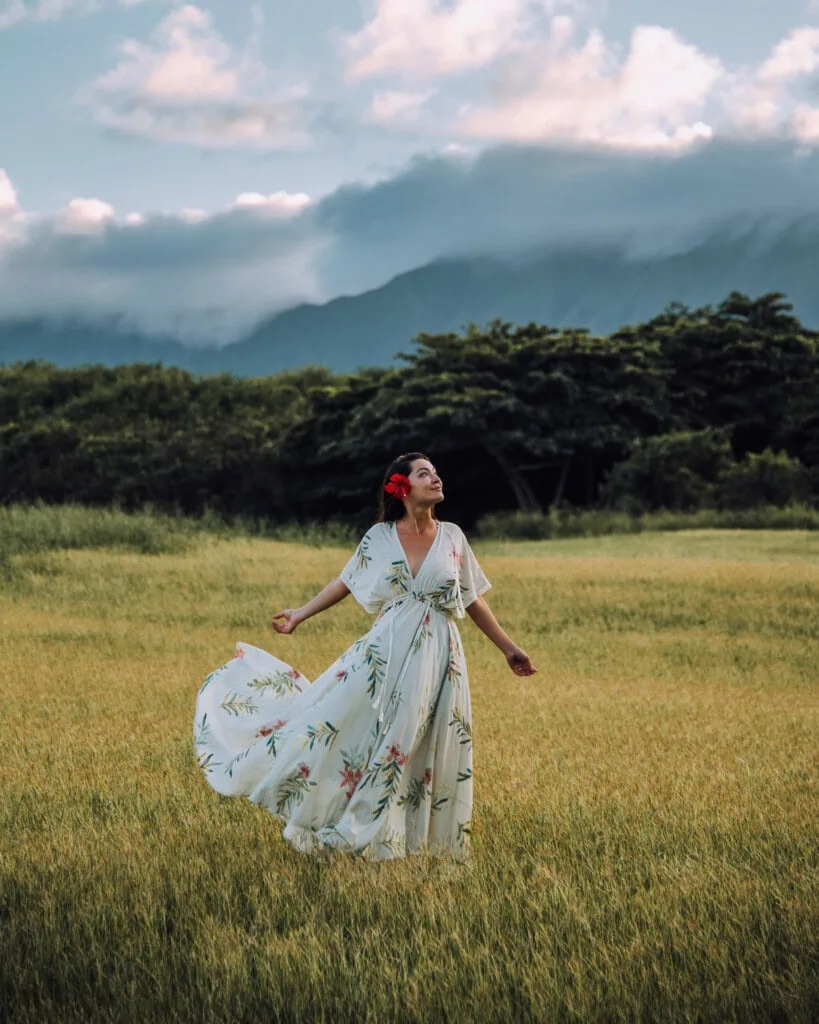
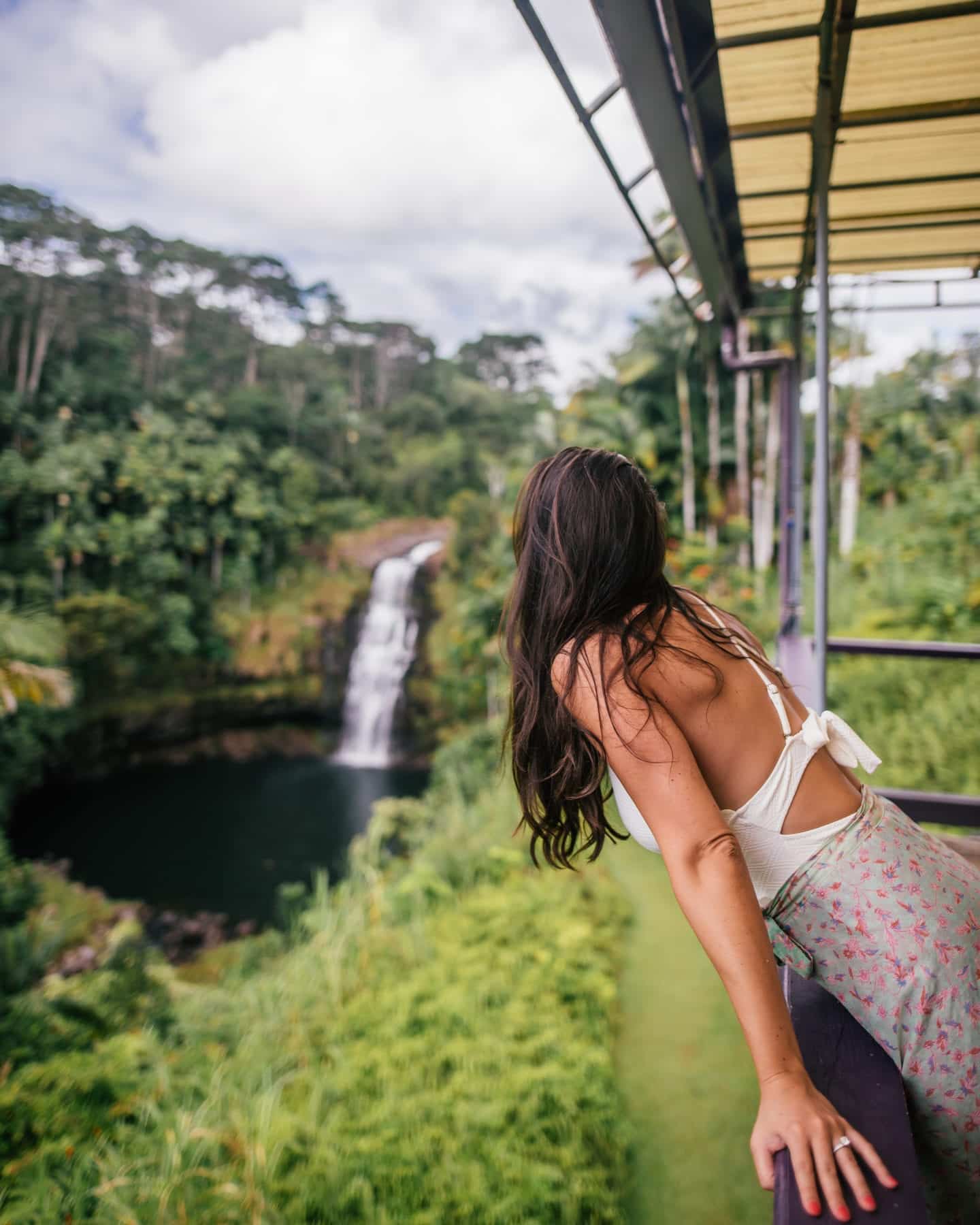
| Category | Oahu | Big Island | Winner |
|---|---|---|---|
| Budget | More room inventory, competitive flights, and a viable no-car itinerary | Longer drives and expensive resort zones can raise the total | Oahu |
| Natural scenery | Green mountain walls, blue coves, craters, and surf beaches | Active volcanic landscapes, rainforest, lava coast, and high elevation | Big Island |
| Beaches | Greater choice for swimming, surfing, snorkeling, and easy beach days | Fascinating sand colors and several excellent Kohala beaches | Oahu |
| Things to do | A dense mix of nature, food, history, entertainment, and shopping | Fewer urban options but several experiences found nowhere else | Oahu |
| History and culture | Palace, museums, Pearl Harbor, and layered community history | Sacred landscapes and nationally significant Hawaiian sites | Oahu |
| Hiking | Many day hikes close to major visitor bases | Volcanic routes, valley overlooks, and high-altitude terrain | Tie |
| Hotels and resorts | The widest range of neighborhoods, styles, and nightly prices | Exceptional North Kona and Kohala properties built for seclusion | Big Island |
| Food and nightlife | Hawaii’s deepest restaurant selection and real evenings out | Good resort dining, Kona coffee, and a much earlier night | Oahu |
| Weather | Warm year-round with dependable dry-side bases | Reliable sun near Kohala but the island’s widest climate range | Tie |
| Transportation | One island where a full vacation without a car is realistic | A rental vehicle is necessary for almost every broad itinerary | Oahu |
| Young families | Short outings, calm lagoons, and many weather-proof alternatives | Wonderful resorts but demanding distances between attractions | Oahu |
| Honeymoons | Easygoing, social, and adaptable to different budgets | Private-feeling resorts and truly unforgettable signature outings | Big Island |
Oahu vs. the Big Island: Which is More Expensive?
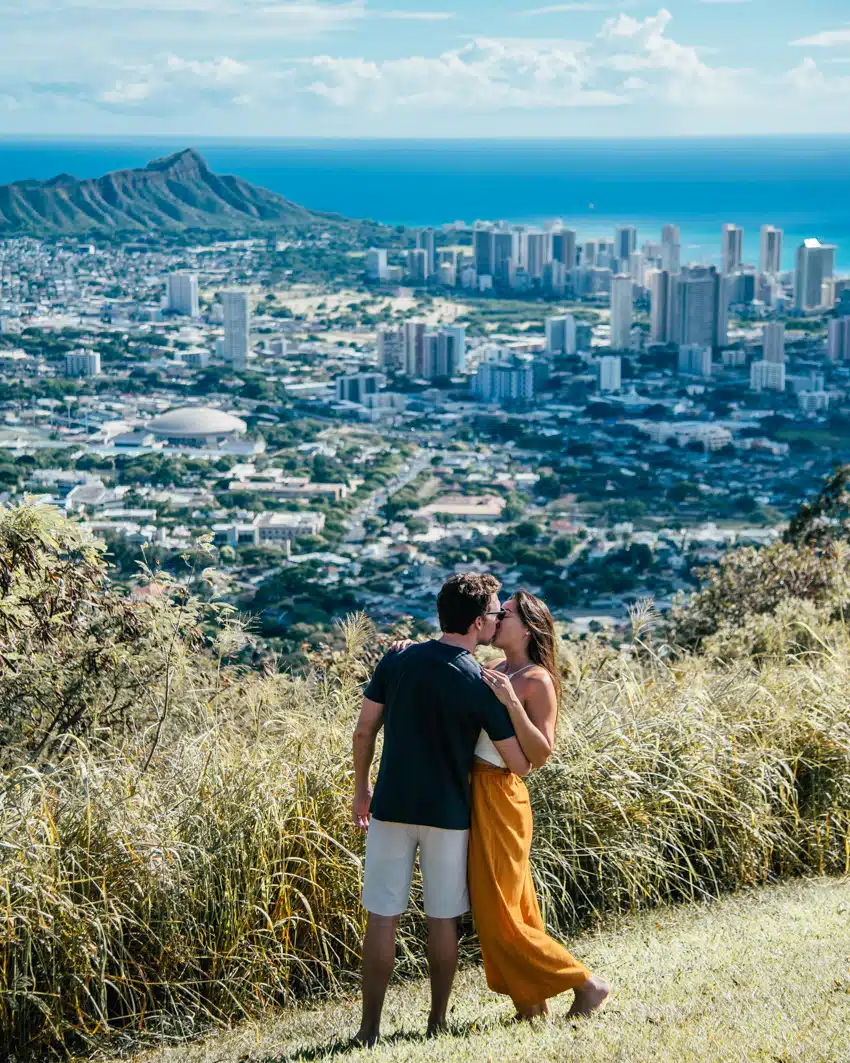
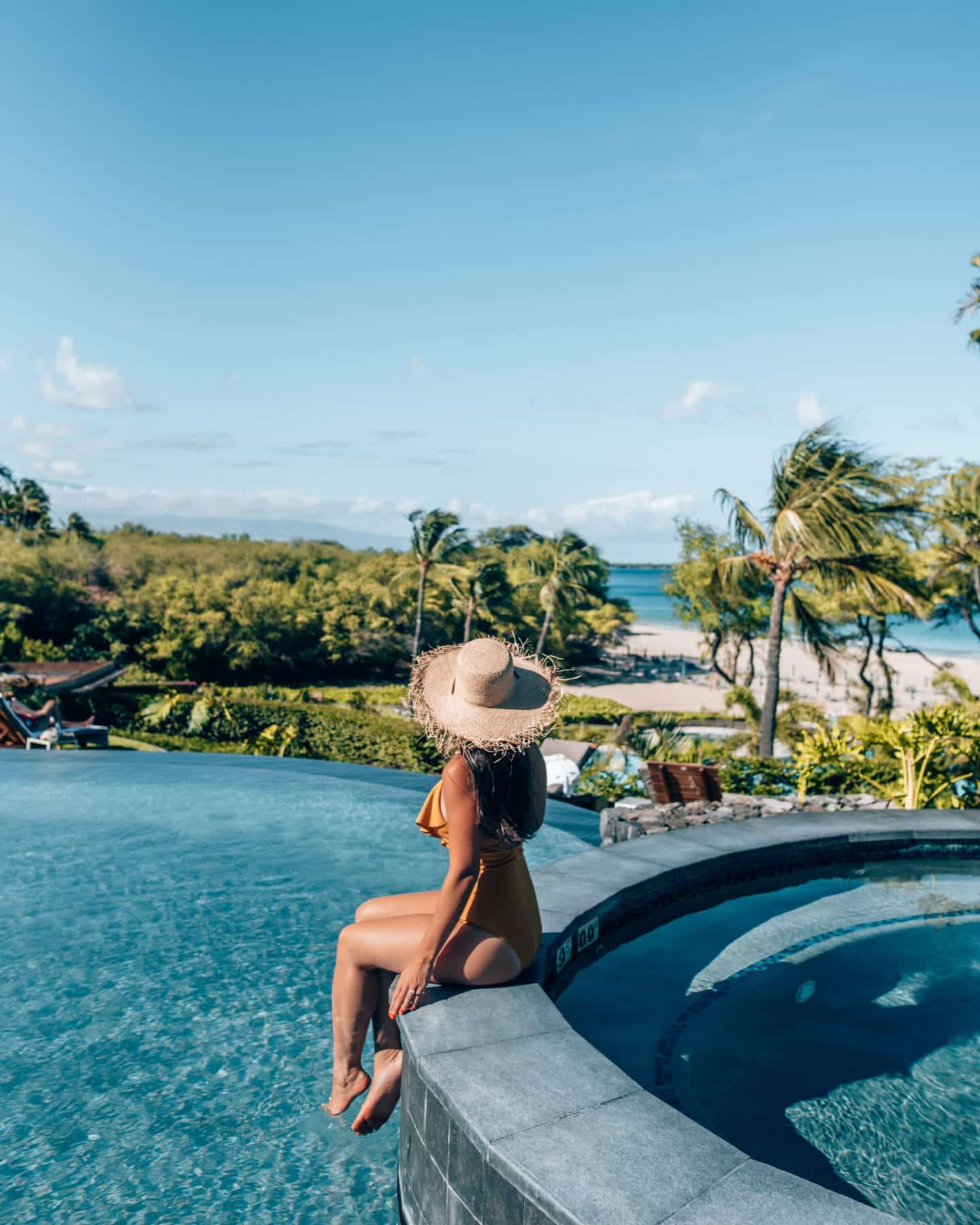
For most travelers, Oahu is less expensive than the Big Island. Neither destination is cheap, yet Oahu supplies more ways to adjust the budget: additional flights, thousands of rooms in and around Waikīkī, low-cost dining, public transit, and a concentration of free sights.
Flights
Honolulu’s airport (HNL) has the broadest nonstop network in Hawaii, which frequently produces more schedule and fare choices. Hawaiʻi Island has two commercial gateways: Kona (KOA) serves the dry western side and Hilo (ITO) serves the wetter east. A smart open-jaw ticket—arriving at one and departing from the other—can save hours of backtracking, though nonstop availability may be limited from your home airport.
Accommodations
The difference is visible in official hotel data. The state’s June 2026 performance report lists a first-half average daily room rate of $277.44 for Oahu and $475.32 for Hawaiʻi Island. In other words, the Big Island’s hotel average ran about 71% higher during that six-month period. Those figures describe the overall markets—not the rate you are guaranteed—but they explain why Oahu often wins a price search.
Waikīkī lets you compare older towers, major brands, condo-style lodging, boutique hotels, and five-star properties within the same walkable district. The Big Island has affordable independent stays around Hilo and Kona, but much of the sunny western shore is devoted to destination resorts. Our Four Seasons Hualālai stay was phenomenal; it was also the kind of splurge that should be a deliberate part of the travel budget.
Transportation, Meals, and Experiences
Oahu can eliminate an entire cost category. We were carless on our Waikīkī honeymoon and depended solely on walking and buses. On Hawaiʻi Island, a car, fuel, and possibly hotel parking belong in your baseline cost estimate. Manta excursions, astronomy tours, and other guided adventures are absolutely worth considering, but several premium bookings can transform the total quickly.
Budget winner: Oahu. The savings become especially meaningful if you stay in Waikīkī and postpone renting a car until your island-driving days.
Oahu vs. the Big Island: Natural Beauty


The Big Island wins for environmental range; Oahu is the island I find more consistently beautiful. That distinction is important. Hawaiʻi Island can move from stark lava fields to dripping rainforest, pasture, desert-like coast, waterfalls, and near-alpine conditions. Oahu feels more visually cohesive, with sharp Jurassic Park-esque green mountains meeting beautiful waters.
On Oahu, I never get over how abruptly the Koʻolau Range rises behind Kāneʻohe and Kualoa. The southeast shore gives you crater rims, sea cliffs, and pocket coves to explore; the North Shore has broad beaches and surf; and the Waiʻanae coast becomes drier, more rugged, and far less urban than first-time visitors expect.
Hawaiʻi Island’s size and elevation create much more dramatic transitions. We drove from sunny lava fields into the dense green landscape around Hilo, visited ʻAkaka and Rainbow Falls, explored the volcanic terrain inside the national park, and looked into valleys cut deeply into the northern coast. Notably, it’s also home to Maunakea, the tallest mountain in the world from base to peak!
If your definition of beauty is “green ridges beside turquoise water,” Oahu will probably win your heart. If you want the island that best demonstrates how volcanoes build and reshape Hawaii, the Big Island has no real competitor.
(Check out this post for most Instagrammable places on Oahu, and this post for most instagrammable places on the Big Island!)
Natural-beauty winner: Big Island for diversity, with a very personal aesthetic vote from me for Oahu.
Oahu vs. the Big Island: Beaches

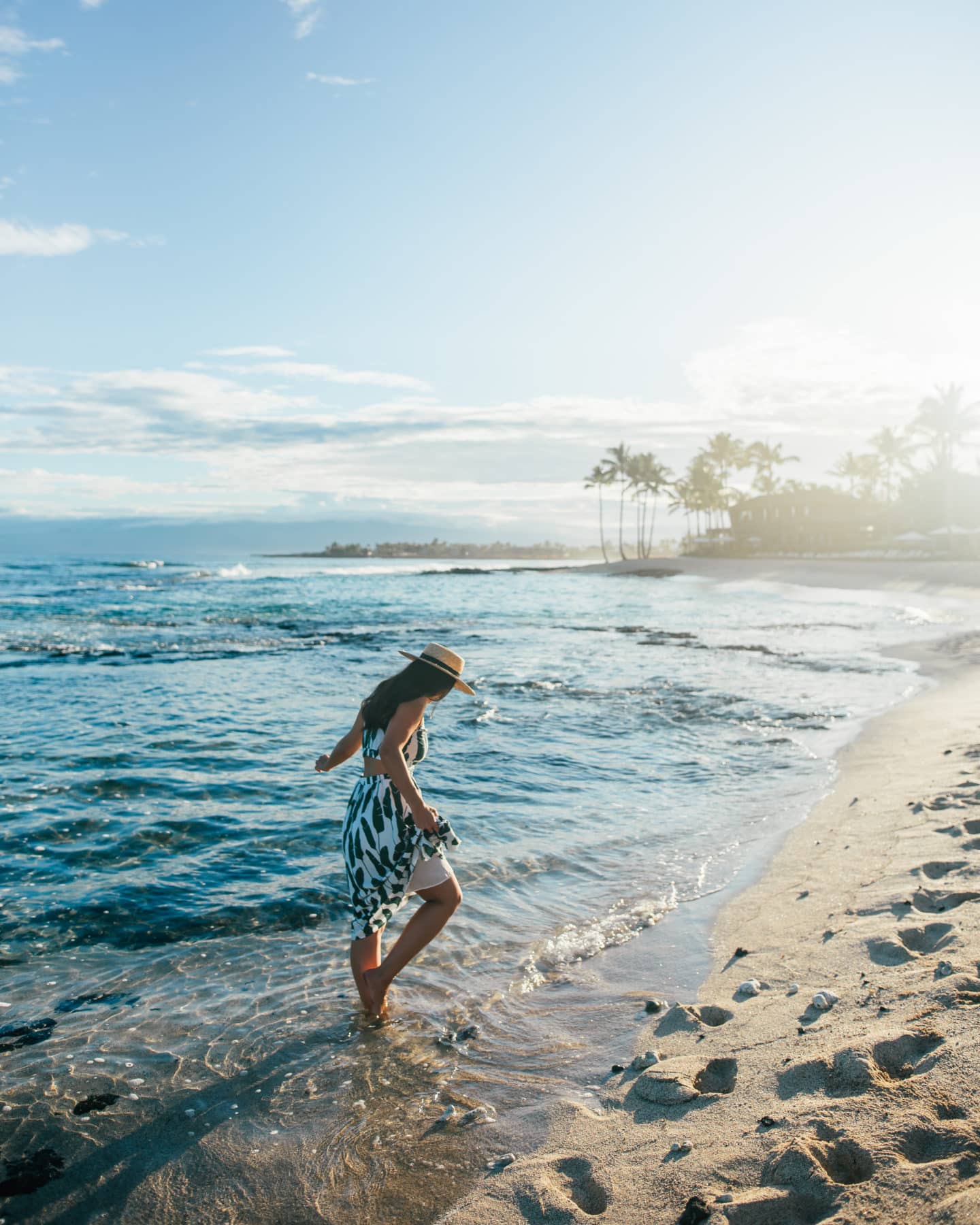
Oahu has the better beach vacation overall. While Hawaiʻi Island offers some remarkable shorelines, the lava geology means many stretches are rocky, young, or difficult to access. Oahu provides more sand, more beach infrastructure, and more distinct options within a shorter radius.
Oahu Beaches
- Kailua Beach: This is my favorite Oahu choice when the goal is simply to swim, enjoy clear water, and spread out on soft sand.
- Lanikai: The Mokulua Islands create the famous view, although the neighborhood setting means scarce parking and no public facilities directly on the beach.
- Waikīkī: It may be busy, but few beaches make surfing lessons, lunch, shopping, and a hotel break this effortless.
- North Shore: Sunset Beach, Waimea Bay, and the Banzai Pipeline are legendary; winter conditions can be powerful enough that watching is the activity.
- Ko Olina: The protected lagoons appeal to families and anyone who wants calmer water with resort facilities nearby.
- Hanauma Bay: The protected marine setting makes it a popular snorkel day, but nonresidents must reserve and follow a specific schedule.
Big Island Beaches
- Hāpuna Beach: A broad, sandy Kohala Coast favorite with a more traditional beach-day feeling than much of the island.
- Punaluʻu: The jet-black sand and frequent honu sightings make this a sightseeing priority; give every turtle generous space.
- Papakōlea: The green-tinted sand is rare and memorable, but reaching it requires a hot, exposed walk. Do not drive across the fragile landscape or pay for an unauthorized ride.
- Kekaha Kai: This state park protects several attractive Kona-side beaches; the access road and walk vary by beach, so confirm conditions before going.
- Resort lagoons and coves: West-side resorts may offer easier entry and calmer pockets of water amid the lava shoreline, though all Hawaii beaches remain public below the high-water line.
Beach winner: Oahu for variety, convenience, and the number of places where sand—not lava rock—is the main event.
Oahu vs. the Big Island: Things to Do
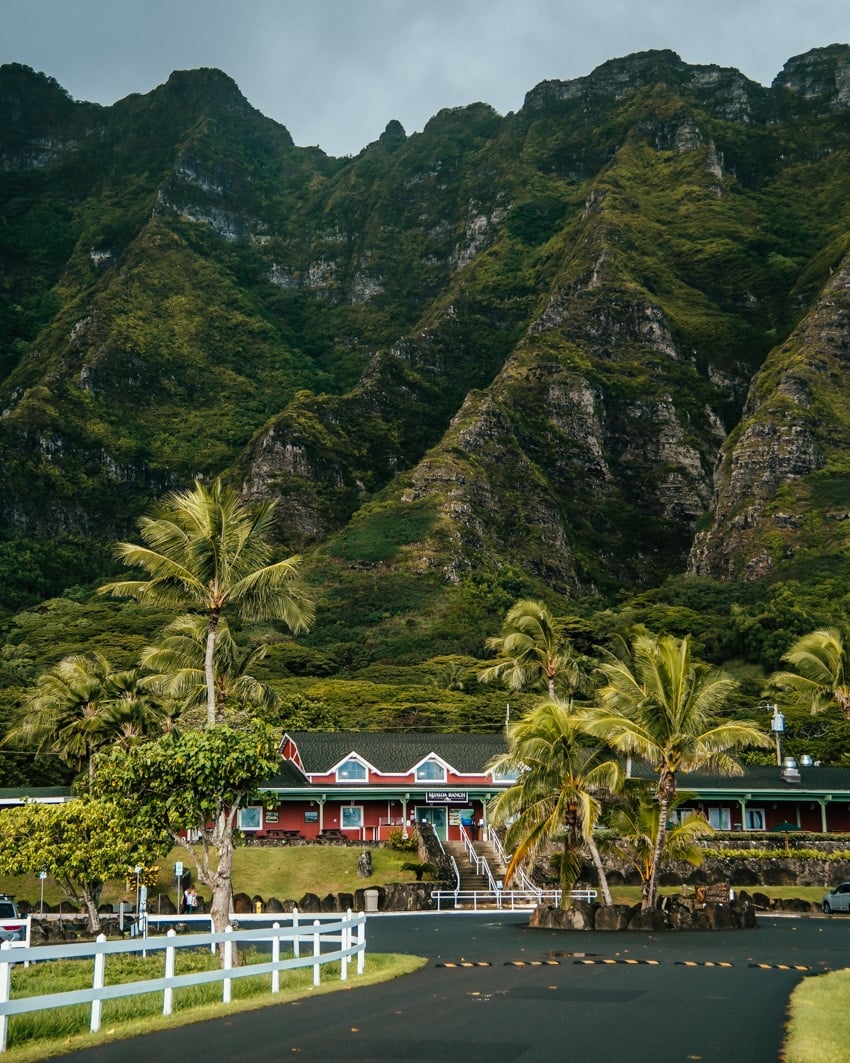
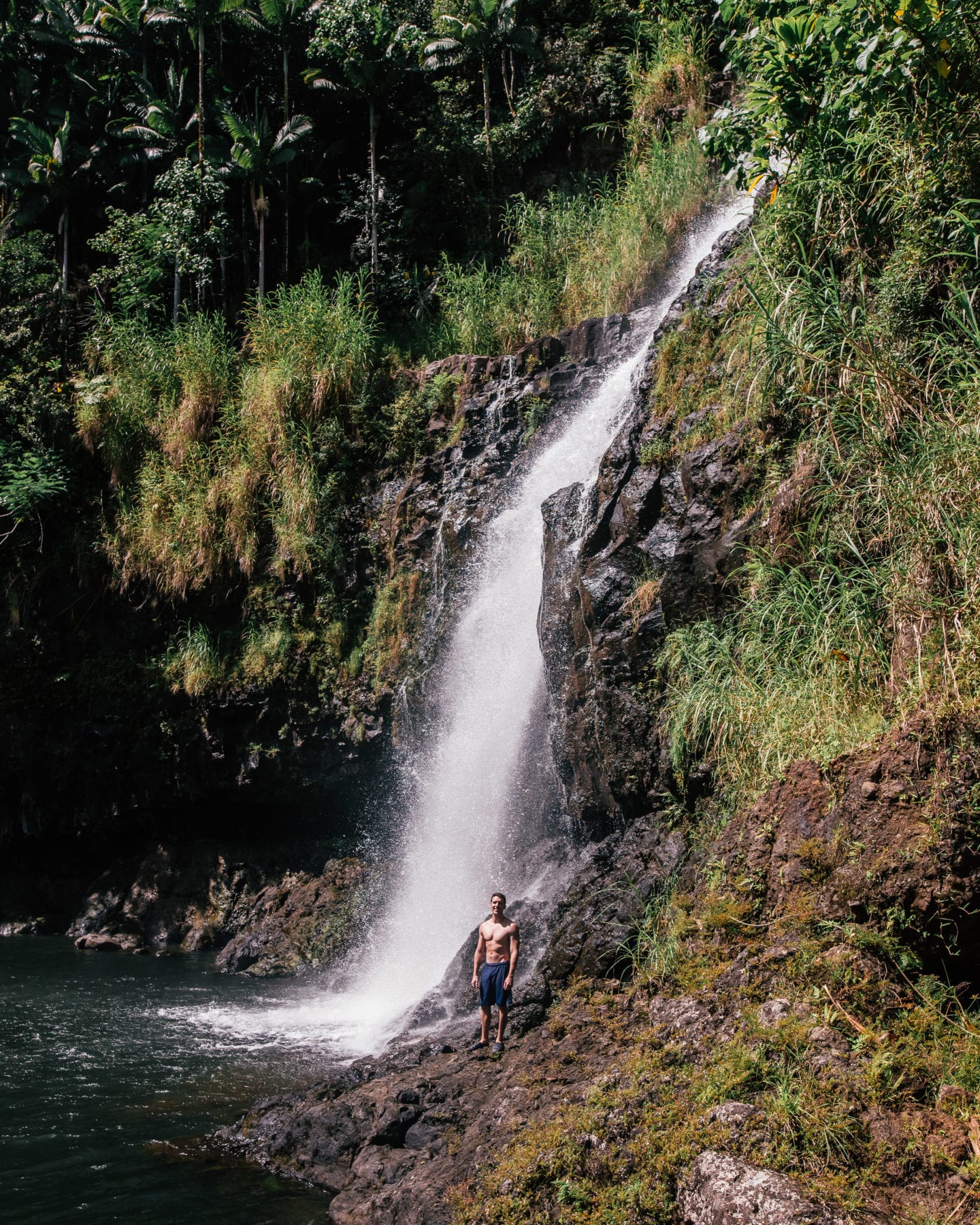
Oahu wins on volume and variety; the Big Island wins for a handful of singular experiences. Someone who becomes restless after several consecutive outdoor days will have an easier time on Oahu. Someone willing to organize a trip around volcanoes and the ocean will remember the Big Island forever.
Best Things to Do on Oahu
- Spend a Honolulu day: Visit ʻIolani Palace or a museum, explore Kakaʻako, shop, and reserve a restaurant you are excited about.
- Learn at Pearl Harbor: Give the memorial complex the time and respectful attention it deserves instead of treating it like a quick photo stop.
- See the Windward Coast: Pair Hoʻomaluhia Botanical Garden, the Byodo-In Temple, Kāneʻohe scenery, and Kualoa on one geographically sensible day.
- Circle the North Shore: Build a day around surf beaches, food trucks, Haleʻiwa, and whatever the ocean safely allows that season.
- Hike above the water: Diamond Head, Makapuʻu Point, and Lanikai Pillbox each produce a different coastline perspective.
- Enjoy Waikīkī after dark: Sunset, dinner, drinks, live music, and people-watching can all happen without moving the car.
My complete Oahu activities guide expands this list, while my roundup of Oahu photo locations maps the viewpoints and beaches we photographed.
Best Things to Do on the Big Island
- Night snorkel with manta rays: This was the most magical part of our trip. Choose a responsible operator, follow every briefing, and never touch or chase the animals.
- Explore Hawaiʻi Volcanoes National Park**: Walk among volcanic features, visit Nāhuku when open, and descend Chain of Craters Road toward the coast.
- Make a Hilo waterfall day: ʻAkaka Falls and Rainbow Falls are easy anchors; our stay at Kulaniapia added an intimate waterfall experience most visitors will not have.
- Follow the southern route: Punaluʻu, South Point, and the hike to Papakōlea reveal a stark, windblown side of the island.
- Book a genuine resort day: If you are paying west-side resort prices, leave space to enjoy the pools, beach, landscaping, and sunset.
- Visit Maunakea responsibly: We did not personally make this outing since it was closed when we visited, but travelers interested in astronomy can visit the mountain while respecting its cultural significance and strict altitude and vehicle guidance.
**Active lava is never guaranteed. Before building a day around an eruption, consult the National Park Service volcano update and current air-quality information. The park remains worthwhile when no lava is visible.
Check out this post for more incredible things to do on the Big Island.
Things-to-do winner: Oahu for travelers who value choice. The Big Island takes the award for the most unusual individual excursion because nothing on Oahu resembles our manta night.
Oahu vs. the Big Island: History and Culture
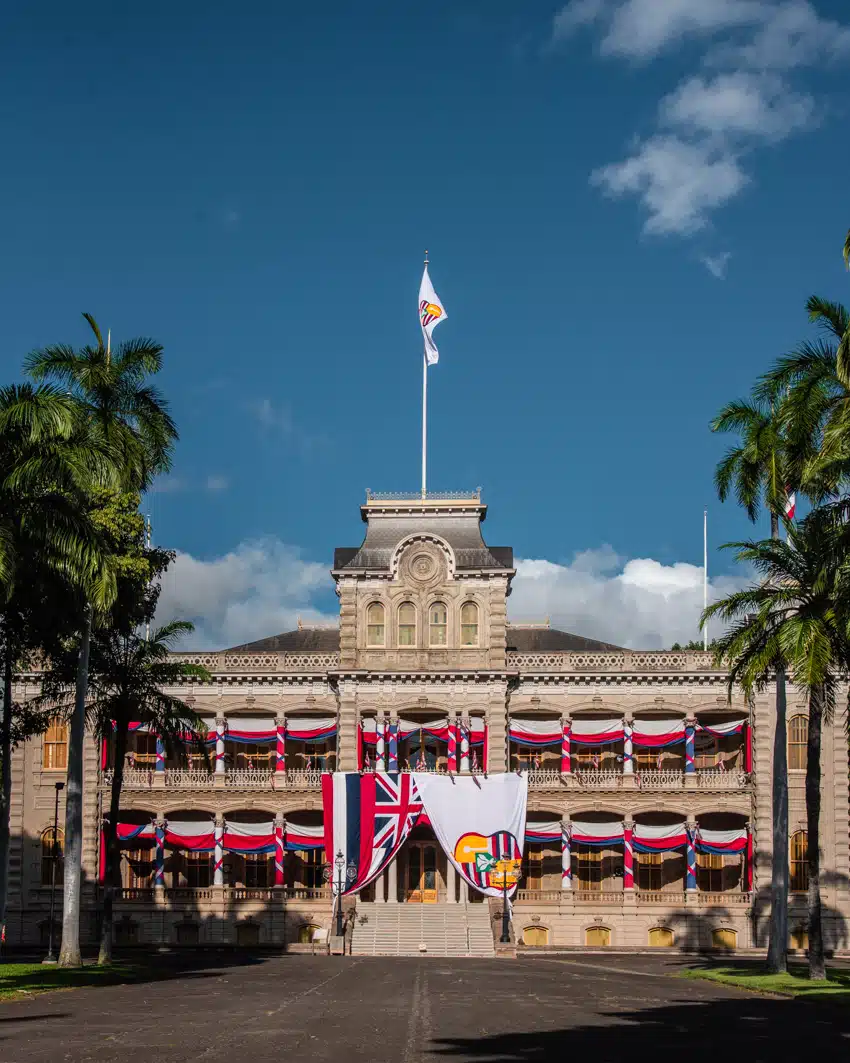

Oahu makes it easier to build a history-rich itinerary, although Hawaiʻi Island holds places of profound cultural importance. The difference is not whose history matters more; it is how many interpreted sites a visitor can reasonably reach and understand during one trip.
In Honolulu, ʻIolani Palace tells the story of the Hawaiian monarchy inside the only royal residence in the United States. Bishop Museum offers a much broader foundation in Hawaiian and Pacific history. Pearl Harbor then adds the events of December 7, 1941, and the Pacific War. Taken together, these places deserve more than a spare afternoon.
Hawaiʻi Island is inseparable from Kamehameha I and from living Native Hawaiian traditions. Puʻuhonua o Hōnaunau preserves a royal center and place of refuge, while Kaloko-Honokōhau protects fishponds, petroglyphs, and coastal cultural resources. We did not personally visit either park, so I would use their National Park Service interpretation—not my experience—to plan them.
Volcanoes and mountains are also cultural landscapes, not empty scenic backdrops. Approach Kīlauea and Maunakea with respect, stay on authorized routes, and do not stack rocks, remove natural material, or enter closed areas. The same principle applies on Oahu: respect residential communities, sacred places, and signs even when social media suggests a shortcut.
History and culture winner: Oahu for accessibility and depth across several major institutions.
Oahu vs. the Big Island: Hiking and Adventure


This category is a tie: Oahu offers the more useful trail selection, while the Big Island supplies terrain you cannot reproduce elsewhere.
Oahu makes hiking easy to weave into an otherwise varied day. Makapuʻu Point is paved, Diamond Head is short and famous, Manoa Falls adds rainforest close to town, Lanikai Pillbox looks over the Mokulua Islands, and Koko Crater turns a line of old railway ties into a punishing stair workout. Many ridge trails are slippery, exposed, or technically serious, so choose based on skill rather than a dramatic reel.
Hawaiʻi Island changes the adventure menu. Inside Hawaiʻi Volcanoes National Park, routes cross craters, old lava flows, forest, and high-elevation wilderness. Pololū has a steep valley descent, while Papakōlea demands a sunny, exposed trek. Water activities add manta snorkeling, reef outings, and more.
Hiking and adventure verdict: Tie. Oahu suits frequent half-day hikes; the Big Island better serves travelers motivated by volcanic and high-altitude environments.
Oahu vs. the Big Island: Hotels and Resorts


Oahu has superior lodging variety, but the Big Island wins the resort category for me. Four Seasons Hualālai is doing a lot of work in that verdict! Its grounds, service, pools, and oceanfront setting became part of the story of the trip rather than somewhere we merely slept.
Where to Stay on Oahu
- Waikīkī: Best when you want maximum walkability, dining choice, nightlife, shopping, and tour transportation.
- Ko Olina: Best for polished resort grounds, protected lagoons, and a calmer family rhythm west of Honolulu.
- North Shore: Best for surf culture and distance from the city, with fewer hotels and a dramatically different winter ocean.
- Windward Coast: Best for mountain scenery and tranquil mornings, accepting that rain and extra driving come with the atmosphere.
Our Oahu stays felt like opposite vacations. Waikīkī made the honeymoon spontaneous: we could decide where to eat after walking out the door. Paradise Bay traded that convenience for water, greenery, birds, and the almost floral scent of the Windward side. My Oahu lodging guide compares the island’s main bases in more detail.
Where to Stay on the Big Island
- North Kona and the Kohala Coast: Best for reliable sunshine, beautifully designed resorts, golf, and a vacation centered on the property.
- Kailua-Kona and Keauhou: Best for restaurant access, manta excursions, coffee-country day trips, and more independent hotel choices.
- Hilo: Best for waterfalls, rainforest, local character, and convenient access toward the national park—plus much wetter weather.
- Volcano: Best for placing yourself near the park early and late, not for a classic beachfront-resort experience.
Splitting the stay often makes more sense than commuting across this enormous island. Our time near Hilo produced Harrison’s birthday waterfall swim at the Inn at Kulaniapia Falls; our Hualālai stay delivered polished west-side luxury. They belonged to the same trip but felt nothing alike.
Read my Four Seasons Hualālai review if that resort is on your shortlist.
Hotels and resorts winner: Big Island for a true luxury retreat; Oahu remains the smarter answer for range, convenience, and value.
Oahu vs. the Big Island: Food and Nightlife

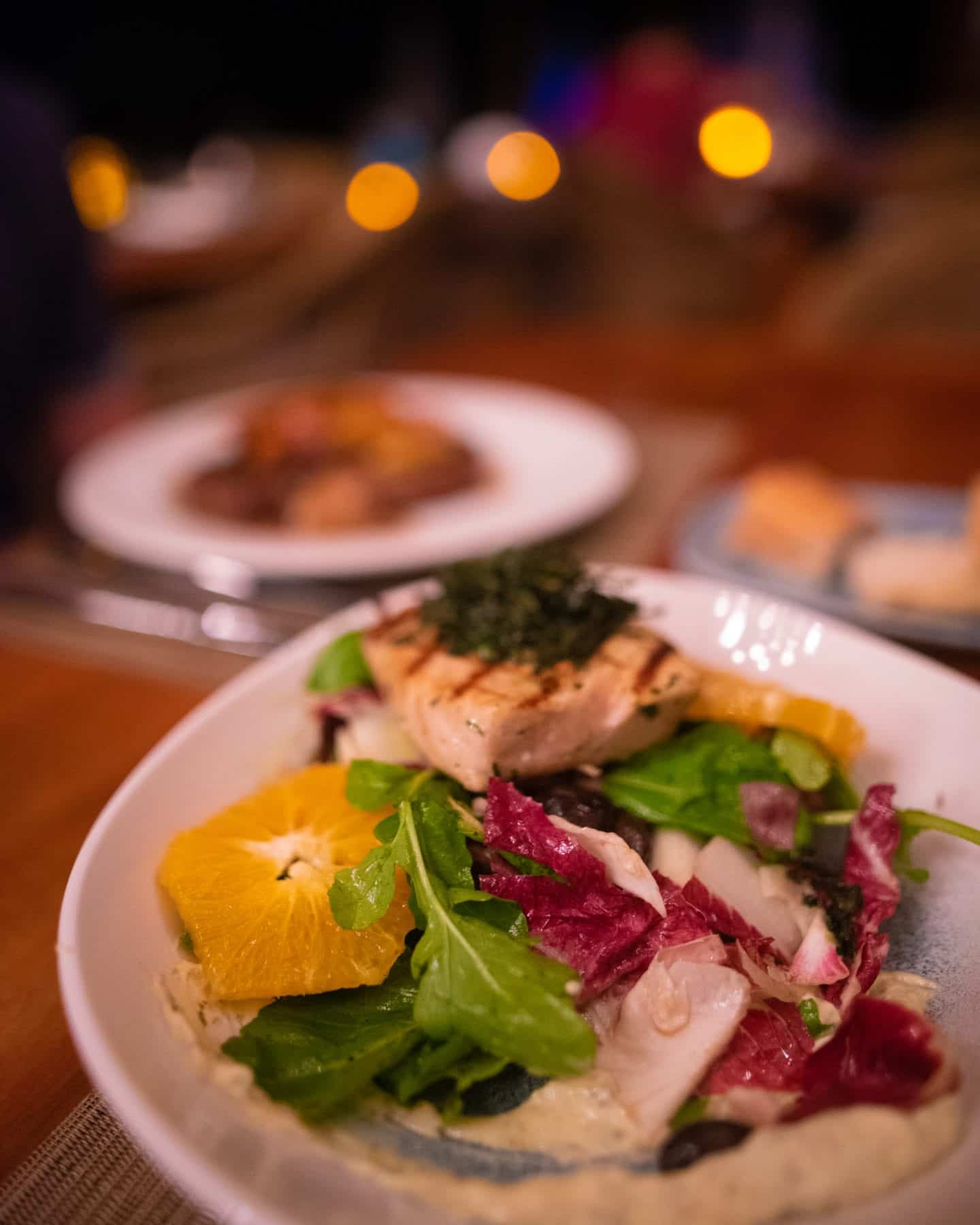
Oahu wins decisively for both eating and going out. Honolulu has the population, immigration history, restaurant community, and visitor demand to support almost every kind of meal—from inexpensive counter service to ambitious tasting menus.
Our Oahu food memories include getting powdered sugar everywhere while eating Leonard’s malasadas, ordering bowls from the bright yellow Sunrise Shack, finding Thai food during a North Shore day, and finishing one trip with dinner at Fête. Honolulu adds ramen, dim sum, poke, bakeries, cocktail bars, Filipino food, Japanese food, and chef-driven restaurants at a depth the Big Island cannot match.
Hawaiʻi Island has plenty to enjoy: Kona coffee farms, produce grown in multiple climate zones, fresh fish, brewpubs, resort restaurants, and casual spots around Hilo and Kona. However, distances complicate spontaneity. A restaurant that looks nearby on an island map may be a lengthy drive from the resort, and many areas wind down early.
If nightlife means rooftop drinks, live music, late dinner, or moving between several venues, stay on Oahu. Big Island evenings are more likely to revolve around sunset, a resort bar, stargazing, or getting to sleep before the next long drive—which may be exactly what you want.
Food and nightlife winner: Oahu (and this is not a close category!).
Oahu vs. the Big Island: Weather
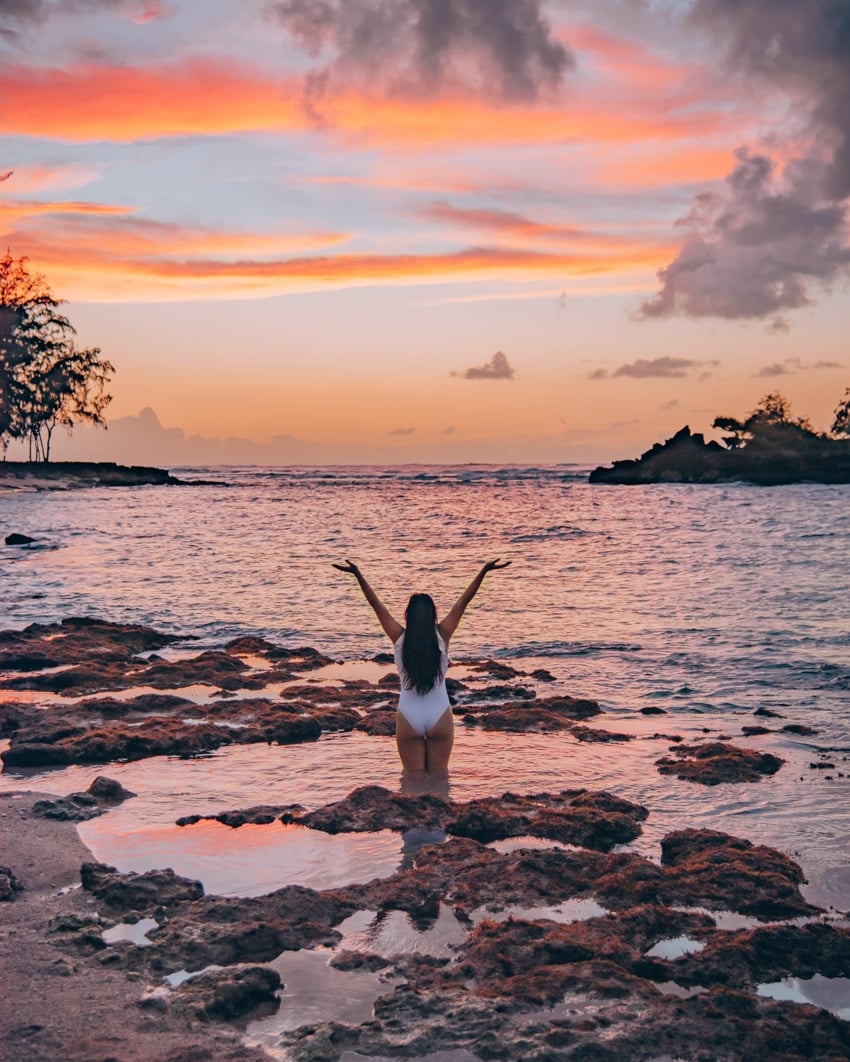
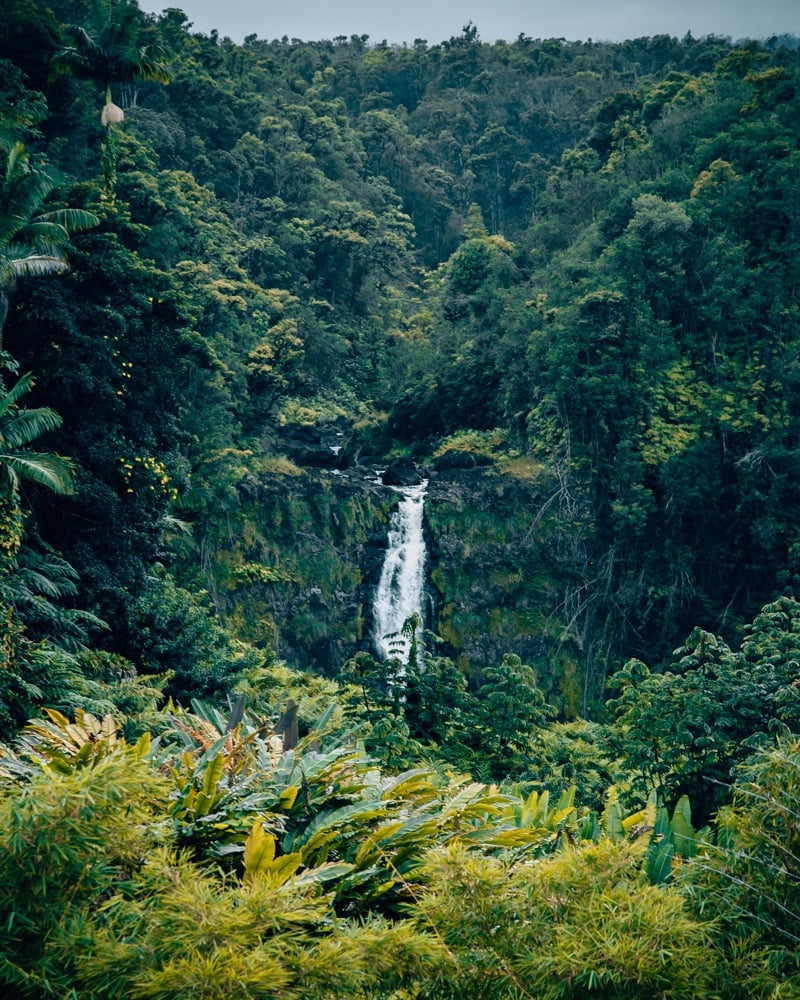
Weather for both of these islands is coast-dependent. Oahu is simpler to understand; the Big Island provides greater control if you stay near sunny Kohala but also exposes you to much bigger changes as you travel.
On Oahu, Waikīkī, Ko Olina, and the leeward coast are comparatively dry. Kāneʻohe, Kailua, and other windward areas receive more showers, which help keep the Koʻolau side vivid green. A passing shower rarely ruins a whole vacation, but it can make mountain trails muddy and viewpoints cloudy.
Hawaiʻi Island amplifies those contrasts. Kohala’s resort belt is sunny and dry, Hilo is famously wet, and Maunakea can be cold enough for snow while travelers are swimming at sea level! Pack a light rain layer and something genuinely warm if an elevation day is on the itinerary.
Season changes the water more than it changes the air temperature. Winter swells can make exposed beaches unsafe, while summer often settles northern shores. Tropical systems, flash flooding, wildfire conditions, volcanic emissions, and surf advisories can disrupt either island, so review official alerts immediately before each major outdoor day.
Weather verdict: Tie. Oahu is easier to plan broadly; the Kohala Coast is the strongest single base for travelers who prioritize dry resort weather.
Oahu vs. the Big Island: Transportation and Driving


Oahu is far easier to visit without a car. A Waikīkī hotel gives you buses, rideshares, walkable restaurants, a major beach, and pickups for many organized tours. A completely car-free itinerary is possible, although it risks reducing Oahu to Honolulu and whatever a tour company chooses to show you.
My preferred compromise is to spend the city portion without a vehicle and rent one for two or three days. Use those days for the Windward Coast, North Shore, or leeward beaches, grouping stops by region. Honolulu traffic can be exhausting, and repeatedly crossing town during commuter hours wastes valuable vacation time.
The Big Island is a road trip by necessity. Kona to Hilo, the Kohala resorts to Hawai’i Volcanoes National Park, or a full southern circuit involve serious mileage. Divide the island into logical clusters, consider sleeping on both east and west sides (that’s what we did!), fill the tank before remote stretches, and download directions where service may disappear.
A normal car handles the standard paved attractions on both islands. Specialty access is different. Above the Maunakea Visitor Information Station, officials require a capable four-wheel-drive vehicle and warn that children under 13, pregnant travelers, and people in poor health should not continue higher because of altitude. Read the University of Hawaiʻi visitor guidance and confirm your rental contract before attempting the summit road.
Transportation winner: Oahu. It gives you the rare freedom to decide whether driving belongs in the trip at all.
Is Oahu or the Big Island Better for Families?
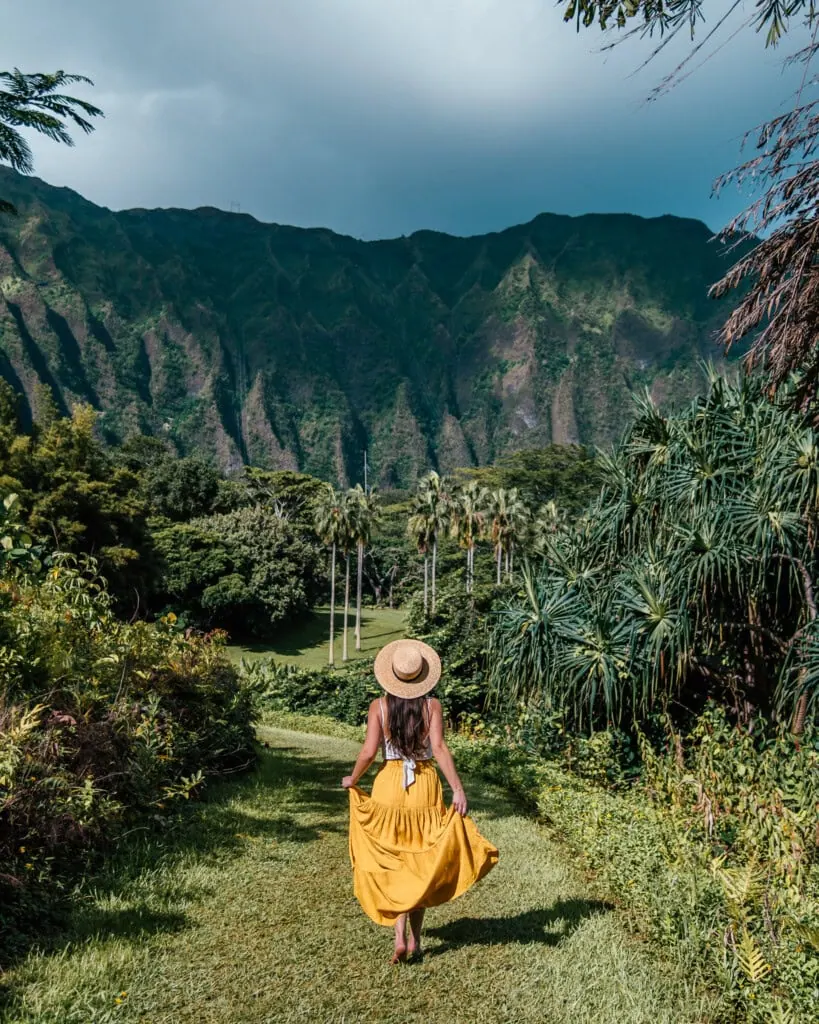
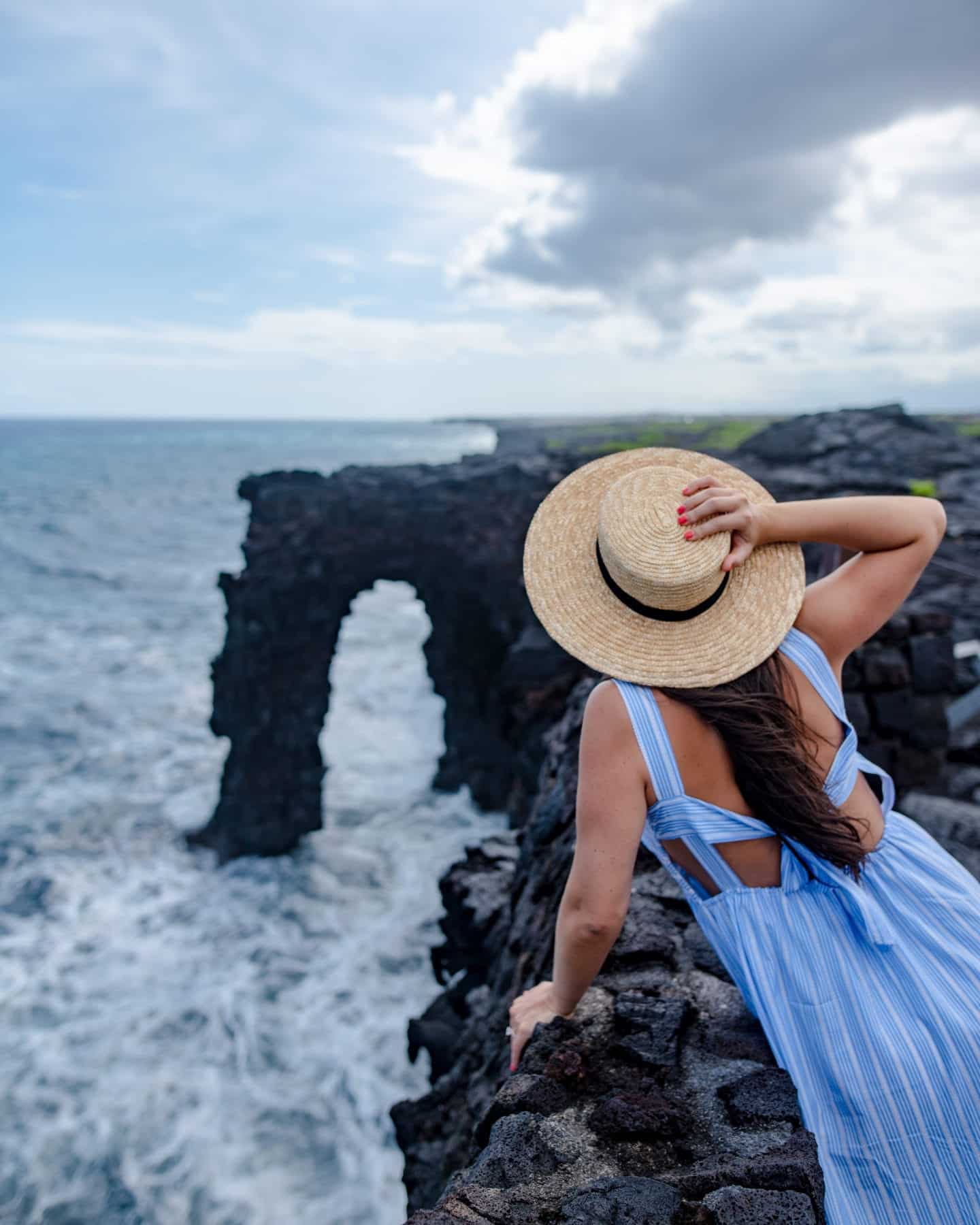
Of these two, Oahu is the family trip I would book first—particularly during the baby, toddler, and early-childhood years. To be transparent, we have not taken our kids to either Oahu or the Big Island, so this section applies what we learned traveling there as adults to the logistics we now care about as parents.
Oahu places aquariums, museums, malls, restaurants, paved walks, calm lagoons, short hikes, and beaches within a relatively small area. If a nap collapses the schedule or rain interrupts a trail, another option is usually close. Waikīkī can also remove car-seat loading and unloading from part of each day.
The Big Island can be fantastic for children who love volcanoes, astronomy, animals, and outdoor exploration, particularly if the family moves slowly. The challenge is drive time. Several days built around two-hour transfers, altitude, long exposed walks, or late-night manta boats are harder with very young children. A resort-focused stay solves much of that but shows less of the island.
Age restrictions also matter. Maunakea guidance excludes children under 13 from travel above the visitor station, and individual manta operators set their own minimum ages, swimming requirements, and flotation policies. From parent to parent, confirm every rule before promising an activity to a child!
Family winner: Oahu for shorter distances and more backup plans. Choose the Big Island for older, curious children when volcanoes and wildlife are the main event.
Is Oahu or the Big Island Better for a Honeymoon?

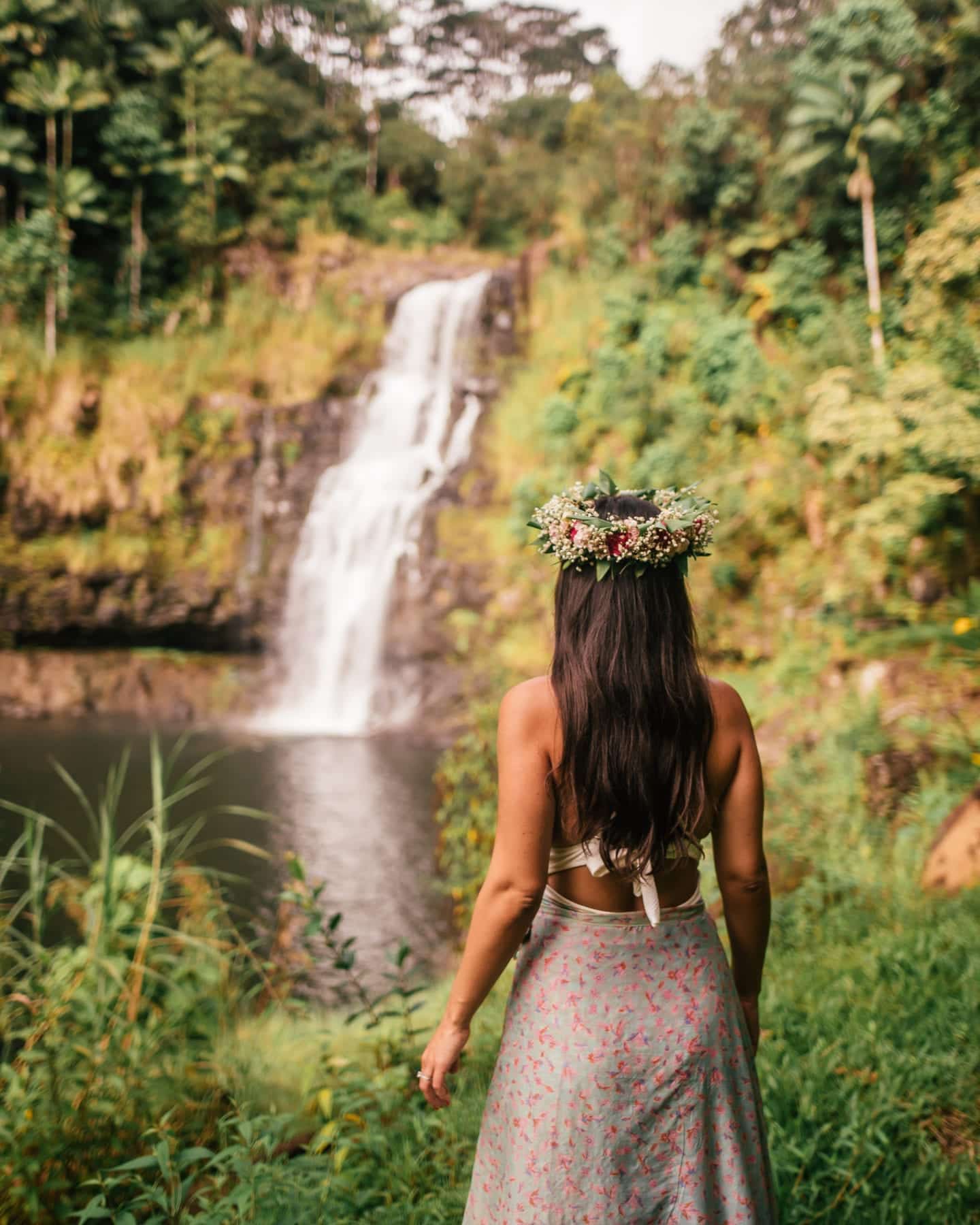
I would choose the Big Island for a quiet luxury honeymoon and Oahu for an energetic honeymoon with a more manageable bill. Both versions can be romantic; they simply create romance differently.
Our own honeymoon in Waikīkī was wonderfully uncomplicated. We were young, careful with money, and happy to alternate the beach with meals and wandering around town. Couples who enjoy cocktails, shopping, surfing lessons, restaurants, and a little activity after sunset may prefer Oahu’s momentum.
Hawaiʻi Island feels more private when you book the right property. Four Seasons Hualālai made ordinary hours—breakfast, the pool, walking the grounds—feel special. Add sunset on the lava coast and a manta snorkel under the stars, and the island can produce a honeymoon with an enormous sense of occasion.
Honeymoon winner: Big Island for seclusion and splurge-worthy memories. Oahu wins for couples who would rather spend on restaurants and activities than one expensive resort.
How Many Days Do You Need on Oahu or the Big Island?

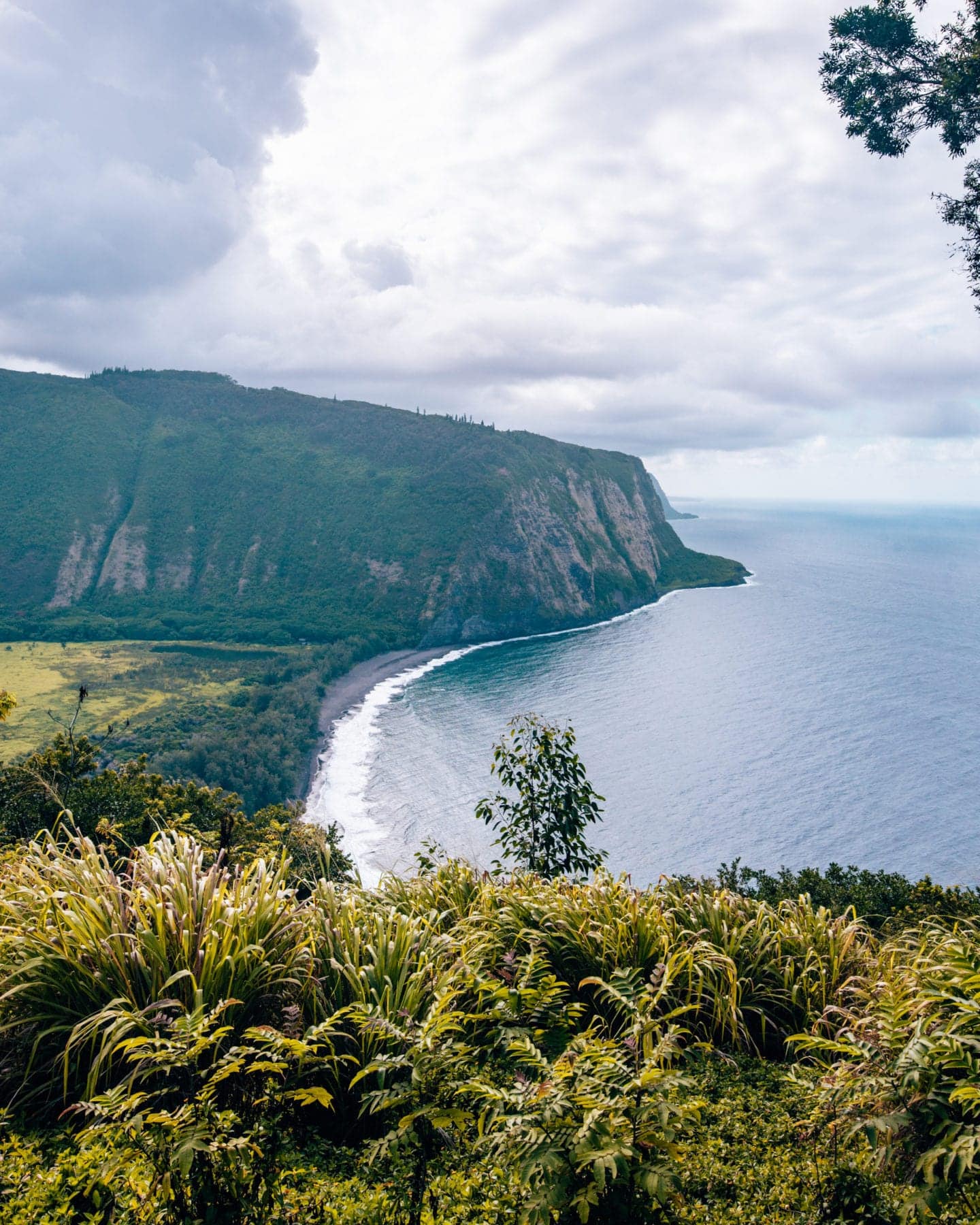
My minimums would be five complete sightseeing days on Oahu and a full week on the Big Island. A longer stay benefits both, but Hawaiʻi Island needs extra time simply because its highlights are so far apart.
- Four days on Oahu: Enough for Waikīkī, one Honolulu history day, one Windward Coast outing, and either the North Shore or southeast coast.
- Six to seven days on Oahu: Comfortable for multiple regions, two or three beach days, hiking, museums, and meals that are not squeezed between drives.
- Five days on the Big Island: Possible if you focus on one side plus the national park, but not enough for an unrushed islandwide survey.
- Seven to ten days on the Big Island: Better for splitting east and west, scheduling a manta night, seeing Hawai’i Volcanoes National Park, and preserving at least one resort or beach day.
If you are combining these islands, do not treat the interisland flight as a half-hour inconvenience. Returning a car, arriving early, flying, collecting bags, picking up another vehicle, and checking in takes up a lot of time. I would want a minimum of ten nights total—and preferably closer to two weeks—before dividing a trip.
Important Reservations to Make in Advance

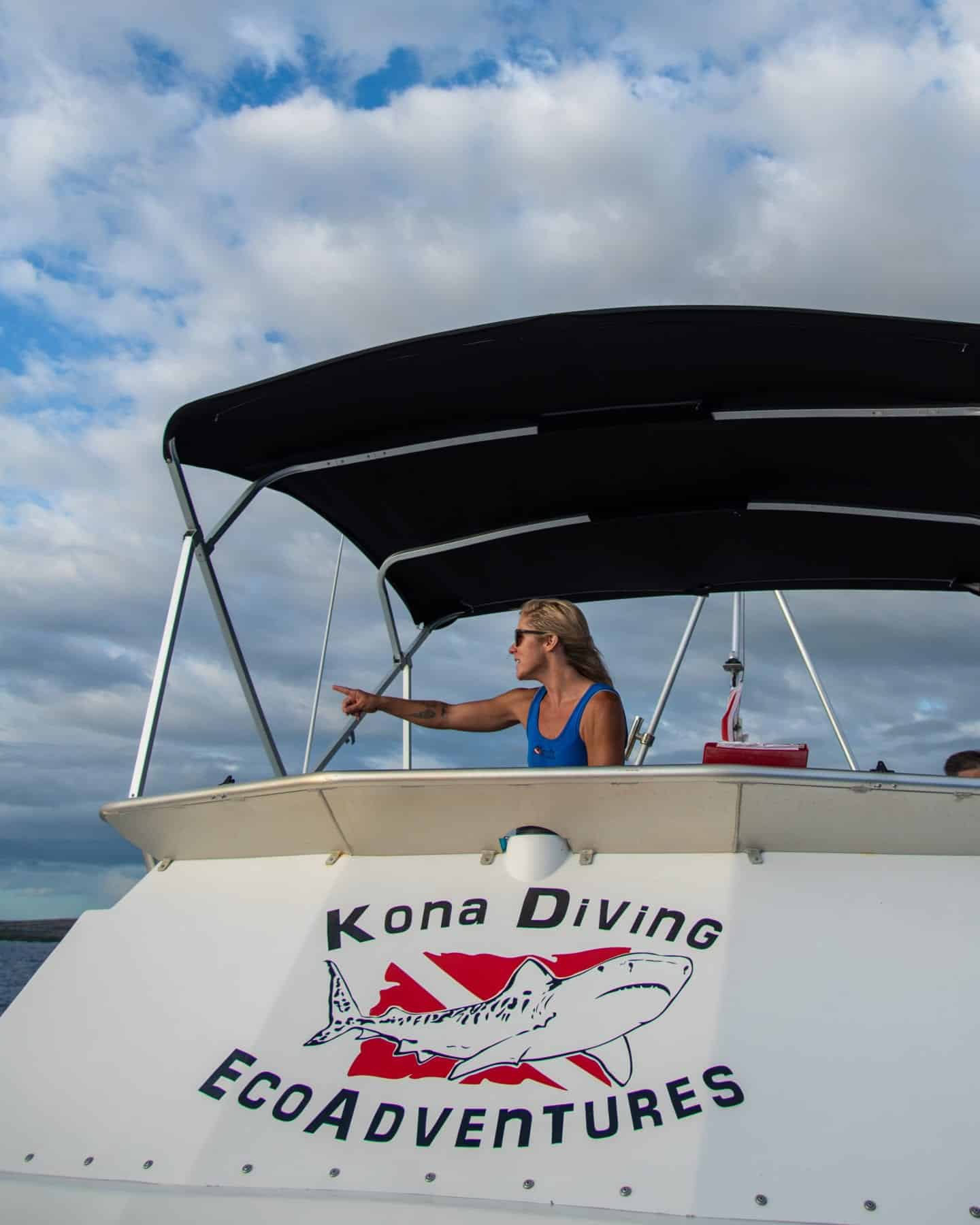
Some Hawaii plans disappoint because travelers wait until arrival to book access. But this is me warning you ahead of time! So book the hardest items first, then arrange flexible beaches and viewpoints around them.
On Oahu
- Hanauma Bay: Non-Hawaii residents need an online reservation. The booking inventory goes live at 7:00 a.m. HST exactly two calendar days ahead, and the preserve does not open on Mondays or Tuesdays. Admission is $25 for nonresident guests age 13 and older, with $3 nonresident parking. Verify current details on the official Hanauma Bay page.
- Diamond Head: Out-of-state visitors must reserve a time. Current state fees are $5 per person and $10 per noncommercial vehicle; children three and younger are free. Use the state monument page for the booking link.
- USS Arizona Memorial: Boat-program tickets are limited and carry a $1 Recreation.gov service charge. Walk-up tickets are no longer distributed, so check the current release windows on the official reservation listing.
- Kualoa Ranch: Popular tours and preferred departure times can sell out well before the travel date.
- Restaurants and lūʻau: Reserve the experiences you would be genuinely disappointed to miss rather than overbooking every evening.
On the Big Island
- Manta-ray night tour: Book a well-reviewed operator before arrival, especially during holidays. Read cancellation, minimum-age, and swimming policies carefully.
- Maunakea tour: Commercial tours have limited capacity, and independent summit access requires the correct vehicle, weather, health, and rental-company permission.
- Hawaiʻi Volcanoes National Park: Routine sightseeing does not require a timed-entry reservation. The current private-vehicle entrance pass is $30 and lasts seven days; consult the NPS fee page before visiting.
- Special resort dinners and activities: Guests at west-side resorts should reserve signature meals, spa appointments, golf, and limited-capacity experiences rather than assuming hotel guests receive automatic space.
Conditions change quickly in Hawaii. Immediately before publication and again before travel, review Hawaiʻi State Parks notices, county alerts, ocean warnings, and the National Park Service page for any place on your schedule.
Should you visit Oahu or the Big Island?


Oahu is the better all-purpose choice; the Big Island is the better specialist choice. Oahu adapts to first visits, mixed-interest groups, food-focused travelers, limited budgets, short trips, and people who do not want every day organized around a vehicle. The Big Island makes the stronger case when two or three defining experiences—volcanoes, manta rays, astronomy, or an exceptional resort—are already at the top of your list.
Choose Oahu if you…
- Want the greatest number of dining, sightseeing, and entertainment choices.
- Prefer sandy beaches and several different types of ocean days.
- Need one destination to satisfy hikers, shoppers, history lovers, and beach people.
- Would like to spend part—or all—of the vacation without renting a vehicle.
- Are planning a shorter Hawaii trip or trying to keep lodging costs under control.
- Do not mind urban energy as long as you can escape it for day trips.
Choose Big Island if you…
- Cannot imagine visiting Hawaii without seeing volcanic terrain up close.
- Want to snorkel with manta rays after dark.
- Are excited by black sand, waterfalls, lava fields, stargazing, and long scenic drives.
- Would rather retreat to a quiet resort than have shops and bars outside the door.
- Have enough time to divide the trip between east and west.
- Value a few rare experiences more than an endless list of everyday options.
My own answer would still be Oahu, especially for a first visit. It gave us a joyful budget honeymoon and then surprised us again once we explored by car. Yet if you ask me for the single most enchanting activity from either island, I will tell you about the manta rays. And if the purpose of the trip is a major romantic splurge, Hualālai can reverse the recommendation all by itself!
For more help, begin with my guide to choosing among all the Hawaiian islands. You can also compare Oahu and Kauai, Maui and the Big Island, or read my broader roundup of favorite Hawaii experiences.
Happy exploring!
Jasmine
PS. Save this comparison for booking day so you can revisit the fees, reservation notes, and regional planning tips!
Oahu vs. Big Island FAQs
Is Oahu or Big Island better for first-time visitors?
Oahu works better for most first Hawaii trips because it combines famous beaches, Hawaiian history, food, trails, shopping, and straightforward transportation. Pick the Big Island first when volcanoes, manta rays, or a particular west-coast resort are the reason you are traveling.
Is Oahu or Big Island prettier?
I personally find Oahu prettier because I love the saturated green mountains against the ocean. The Big Island is more varied and geologically striking, moving between lava fields, waterfalls, valleys, rainforest, and extreme elevation.
Does Oahu or Big Island have better beaches?
Oahu has the stronger selection for a beach-centered vacation. The Big Island counters with Hāpuna and memorable black- and green-sand shores, but more of its coastline is rocky and comparatively young.
Is Oahu or Big Island better with kids?
Oahu is easier for families who need brief drives, flexible activities, and indoor alternatives. Older children fascinated by science, volcanoes, space, or marine life may prefer the Big Island, provided the family accepts a slower itinerary.
Is Oahu or Big Island cheaper?
Oahu usually costs less because it has a larger hotel market and can support a vacation without a weeklong rental car. Official data for the first six months of 2026 showed an Oahu hotel ADR of $277.44 compared with $475.32 on Hawaiʻi Island.
Is Oahu or Big Island less crowded?
Hawaiʻi Island generally feels less crowded because visitors disperse across much more land. Oahu’s popular beaches, roads, and Honolulu attractions can be busy, although leaving Waikīkī early and exploring by region makes a major difference.
Do you need a rental car on Oahu and Big Island?
You can stay in Waikīkī without a vehicle by using buses, rideshares, walking, and tours, though several rental days will reveal more of Oahu. On the Big Island, nearly every wide-ranging itinerary needs a car because towns, resorts, beaches, and the national park are separated by long distances.
Which island is rainier, Oahu or Big Island?
Neither island has one meaningful rainfall answer. The Big Island includes extremely wet Hilo and dry Kohala, while Oahu’s Windward Coast receives far more moisture than Waikīkī or Ko Olina. Compare the specific region where you plan to sleep.
Is Oahu or Big Island better for a honeymoon?
The Big Island is better for couples seeking privacy, luxury, and a resort-led honeymoon. Oahu is preferable for newlyweds who want restaurant variety, nightlife, shopping, and a lower-cost trip with plenty of activity.
Can you visit Oahu and Big Island in one trip?
Yes, but allow enough nights for the transfer to be worthwhile. Ten nights is my minimum for splitting the islands, and twelve to fourteen gives the Big Island the time its distances require without reducing Oahu to a Honolulu stopover.
Is the Big Island the same as Hawaiʻi Island?
Yes. Hawaiʻi Island is the official name, while “the Big Island” is the widely used nickname that distinguishes it from the state and archipelago of Hawaii.