
Choosing between Oahu and Maui is really a choice between two vacation styles. Pick Oahu for beaches plus food, history, shopping, nightlife, and enough variety for a group with different interests. Pick Maui for a slower, resort-centered trip with scenic drives, snorkeling, whale watching, and bucket-list days at Haleakalā or along the Road to Hāna.
If cost and convenience matter most, Oahu usually wins. For romance, resort time, and less city energy, I’d choose Maui. Both deliver beautiful beaches and scenery; the rhythm is the real difference.
Our first Oahu trip was our honeymoon in Waikīkī. Harrison and I were watching our budget, so we walked between our hotel, the beach, and a different restaurant each day. Skipping the rental car was easy, but it also meant our Oahu experience was almost entirely limited to Waikīkī.
Years later, we returned with a Jeep and discovered a different island. We drove beneath the Koʻolau Mountains, watched sunrise at Kualoa Regional Park, and explored the North Shore—finally seeing how quickly Honolulu gives way to beaches, farms, and towering green ridges.

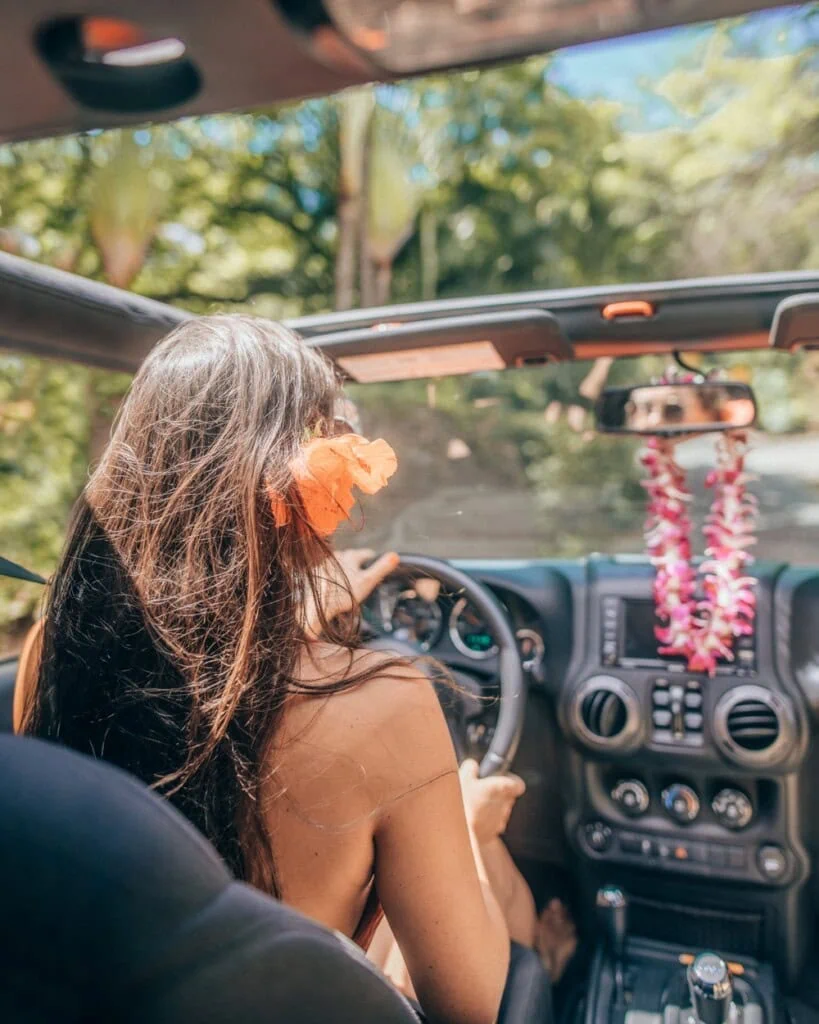
Maui naturally alternated between adventure and relaxation for us. We paddleboarded off Wailea, drove toward Haleakalā, adjusted our Road to Hāna plans around the weather, explored ʻĪao Valley, ate at Mama’s Fish House, and stayed in Wailea, Kaʻanapali, and Kapalua.
Below, I compare Oahu and Maui across 12 practical categories using our experiences and the costs, reservations, and logistics travelers should know.
Oahu vs. Maui at a Glance

| Category | Oahu | Maui | Winner |
|---|---|---|---|
| Budget | Broader hotel range and a car is optional in Waikīkī | Resort-heavy pricing and most visitors will want a car | Oahu |
| Natural scenery | Sharp green ridges, surf coasts, craters, and turquoise coves | Rainforest, waterfalls, lava fields, Upcountry, and a 10,000-foot summit | Maui |
| Beaches | The widest mix of swimming, surfing, lagoons, and urban access | Excellent sand-and-snorkel days beside major resorts | Tie |
| Things to do | The deeper bench of attractions beyond outdoor sightseeing | Fewer categories, but several bucket-list experiences | Oahu |
| History and culture | Royal sites, major museums, and Pearl Harbor | Significant landscapes, Lāhainā history, and cultural performances | Oahu |
| Hiking | A large menu of short, moderate, and strenuous trails | Standout volcano, bamboo forest, ridge, and coastal routes | Oahu |
| Hotels and resorts | More styles and price levels across distinct regions | Exceptional properties designed to be part of the vacation | Maui |
| Food and nightlife | More cuisines, casual options, bars, and late evenings | Several superb destination meals but an earlier bedtime | Oahu |
| Weather | Drier bases in Waikīkī and Ko Olina | Very sunny resort weather in South Maui | Maui |
| Transportation | Walkable Waikīkī, buses, rideshares, and tour pickups | Driving is woven into almost every worthwhile itinerary | Oahu |
| Young families | More short activities and alternatives to a beach day | An easy pool-beach-nap rhythm at family resorts | Tie |
| Honeymoons | Convenient, energetic, and easier to do on a budget | Quieter luxury with more room to relax together | Maui |
Oahu vs. Maui: Which Is More Expensive?


Oahu is the more affordable island for the average trip. You can certainly create a very expensive Oahu vacation or find a Maui condo that works for your budget, but Oahu gives you more levers to pull when you need to lower the total.
Flights
Most Oahu visitors arrive through Honolulu’s Daniel K. Inouye International Airport (HNL); Maui’s main gateway is Kahului Airport (OGG). HNL handles a larger network of nonstop routes, so Oahu frequently has the advantage in availability and competitive fares. That is not a guarantee—OGG may be easier from your city—so price both airports before committing.
Accommodations
Waikīkī contains a remarkable number of rooms within a compact area. That density means you can compare older hotels, apartment-style properties, familiar chains, boutique stays, and luxury towers without changing neighborhoods. Ko Olina, Turtle Bay, and other parts of Oahu become more expensive, but the island as a whole offers a wider pricing ladder.
Maui’s most famous bases skew toward the resort end of the spectrum. Kīhei condos can make South Maui more attainable, while Wailea and Kapalua are places where the hotel may become one of your largest trip expenses. Kaʻanapali offers more variety, but it still lacks the sheer volume found in Honolulu.
The official numbers put that difference into perspective. In the state’s June 2026 hotel report, the average daily rate for the first half of 2026 was $277.44 on Oahu and $545.28 in Maui County. Maui County’s figure was about 97% higher—essentially double. This survey does not capture every small inn or individually rented vacation property, so use it as a market comparison rather than a quote for your exact dates.
The Rest of the Budget
Our honeymoon proved how dramatically transportation changes the math. In Waikīkī, we paid for neither a rental car nor hotel parking. Maui’s headline experiences are spread across the island, so most itineraries need a car from the airport onward. Add fuel, resort parking, and long driving days to the Maui column.
Oahu also has more inexpensive meals and free or low-cost stops mixed among its splurges. Maui’s boat excursions, lūʻau tickets, resort restaurants, and guided Road to Hāna trips can raise the total quickly. I would still budget for a few special experiences—Mama’s Fish House is one I would personally protect—but you do not need to book everything.
Nightly prices are not the checkout total on either island. Hawaii’s state transient accommodations tax increased to 11% in 2026, and the county tax plus general excise tax passed on by many operators can bring the combined tax burden to roughly 18.7%. Resort fees and parking sit on top of that, so compare the final booking page rather than the first rate you see.
Budget winner: Oahu—and it is one of the clearest differences in this comparison.
Oahu vs. Maui: Natural Beauty

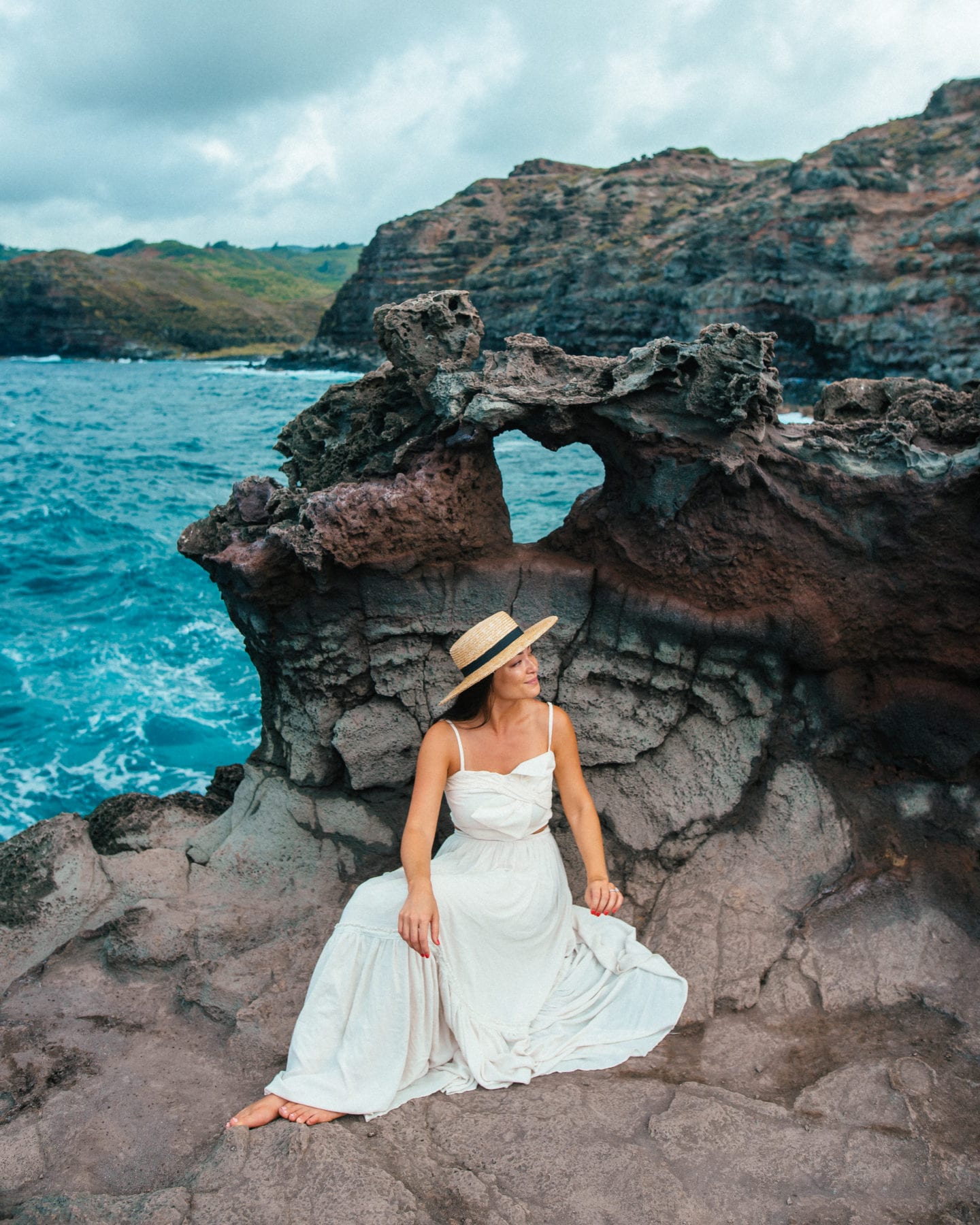
Maui has the edge for landscape variety; Oahu delivers the more surprising contrast between wild-looking mountains and a modern city. The scenery on both islands is excellent, but Maui can take you through more distinct environments during a single week.
Oahu’s beauty clicked for me once we left Waikīkī. Around Kāneʻohe and Kualoa, the Koʻolau Range rises almost vertically behind the coast. The southeastern drive moves between crater rims, cliffs, and blue coves, while the North Shore shifts the focus to surf and broad beaches. The dry Waiʻanae side adds a rougher landscape that feels far removed from Honolulu.
Maui’s elevation creates an even bigger transformation. Near sea level, you have warm beaches and lava-lined shorelines. Continue toward Hāna and the road narrows into humid forest punctuated by waterfalls. Turn Upcountry and the air cools among farms and ranchland. Keep climbing Haleakalā and the green slopes eventually disappear into cinder, rock, and sky more than 10,000 feet above the ocean.
That range is what gives Maui this category for me. ʻĪao Valley feels intensely green; Haleakalā feels almost extraterrestrial; and the same vacation can still include a classic golden-sand sunset in Wailea.
Scenery winner: Maui. Choose Oahu instead if steep green mountains meeting the sea are the image you cannot stop thinking about.
Oahu vs. Maui: Beaches


Oahu wins for the number of different beach experiences; Maui wins for how easily a beautiful beach becomes part of resort life. I would call the category even rather than pretending one island owns the better sand.
Oahu’s Best Beaches
A week on Oahu can include beginner-friendly surf in Waikīkī, a sheltered Ko Olina lagoon, snorkeling at Hanauma Bay, famous winter waves on the North Shore, and the pale sand of Kailua and Lanikai. Those are not slight variations of the same beach day; they feel like entirely different outings.
- Kailua: My choice for a spacious swimming beach with clear blue water and room to spread out.
- Lanikai: A smaller neighborhood beach with soft sand and that famous view toward Nā Mokulua. My favorite beach, but parking can be tough since there’s no beach parking lot.
- Waikīkī: The easiest place to pair a swim or surf lesson with lunch, shopping, and a hotel nap.
- Waimea Bay: A seasonal shape-shifter—often inviting in summer and a stage for huge surf in winter.
- Shark’s Cove: A rocky North Shore snorkeling stop for calm-water months, not a year-round swimming recommendation.
- Ko Olina: Four man-made lagoons that remove some of the uncertainty families face at open-ocean beaches.
Maui’s Best Beaches
Maui’s strongest beach areas let you step from a resort path onto the sand, spend the morning in the water, and be back at the pool before lunch. South and West Maui also put snorkeling bays, sunset walks, and waterfront dining within an easy drive.
- Mākena: My favorite Maui beach for its scale and scenery. Its shore break deserves real caution, even when the sand looks irresistible.
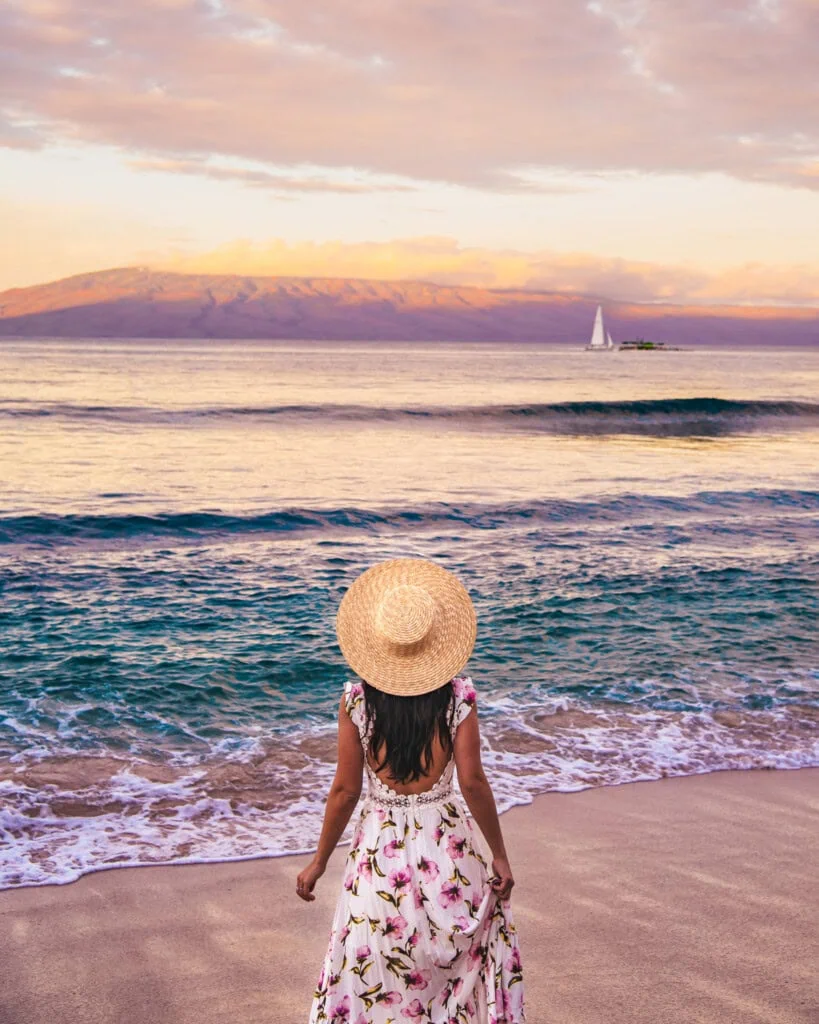
- Wailea: A manicured resort beach where we loved ending the day at sunset.
- Kaʻanapali: A social beach day with resorts, water activities, snorkeling near Puʻu Kekaʻa, and Whalers Village close by.
- Kapalua Bay: A pretty, compact bay that is popular with swimmers and snorkelers when the ocean is settled.
- Honolua Bay: A snorkel destination with a rocky shore rather than a conventional lounging beach.
- Waiʻānapanapa: The black sand and lava coastline make this a sightseeing beach on a Hāna day; nonresidents must reserve ahead.
Do not choose a swimming location from photos alone. Swell direction, wind, currents, and season can completely change the same stretch of coast. North-facing shores are especially powerful in winter, and Mākena’s shore break can be dangerous in any season. Read the signs and ask the lifeguard before entering.
Beach result: tie. While Oahu gives you more kinds of beach days, Maui packages the beach experience beautifully.
Oahu vs. Maui: Things to Do
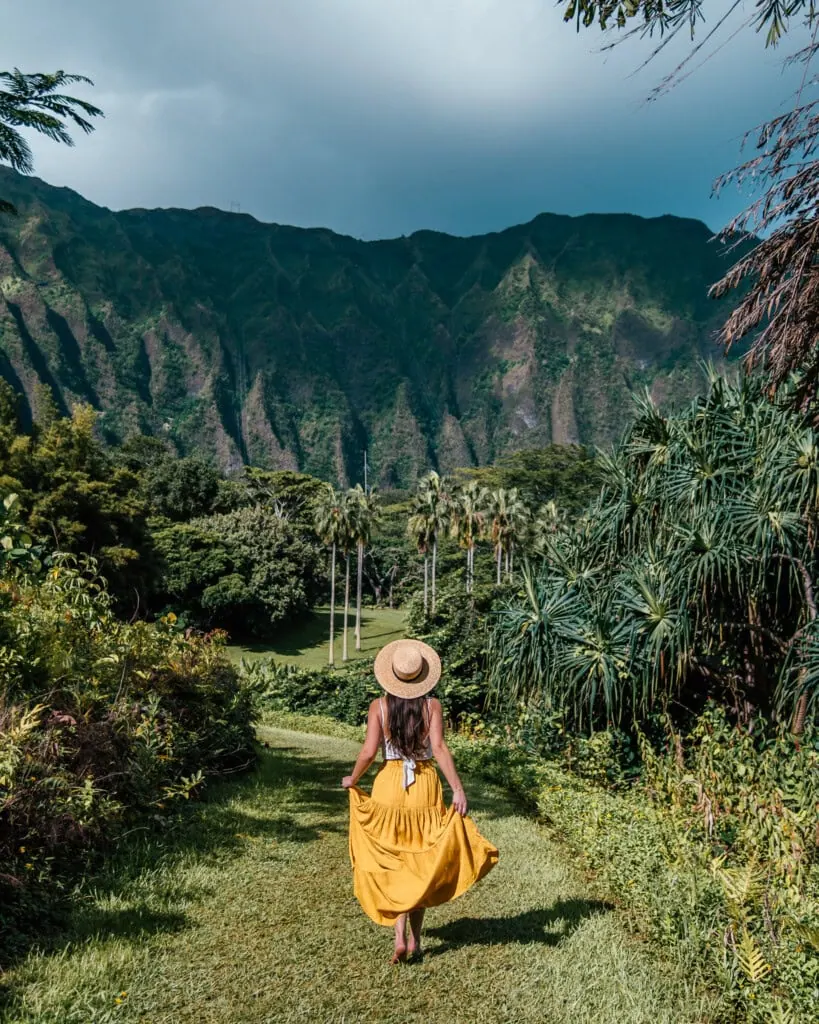

Oahu offers more categories of activities, but Maui’s best days have a bigger bucket-list quality. Oahu is the safer choice when one person wants museums, another wants hiking, and someone else wants shopping. Maui works beautifully when the whole group is excited about the same major outings.
An Oahu Activity Shortlist
- Spend a day around Kualoa: Book a movie-site or adventure tour at the ranch, then enjoy Mokoliʻi and the mountains from the regional park.
- Give Pearl Harbor enough time: The memorial sites are not a quick photo stop, and the USS Arizona experience deserves thoughtful attention.
- Make a North Shore loop: Watch the ocean, browse Haleʻiwa, stop for food, and linger through golden hour rather than racing between pins.
- Explore the story of Honolulu: Add ʻIolani Palace or the Bishop Museum so the trip is not reduced to Waikīkī.
- Choose a trail that fits the day: A paved lighthouse walk, waterfall route, crater climb, or ridge adventure can all fit into an Oahu itinerary.
- Slow down in a garden: Hoʻomaluhia pairs tropical plants with one of the island’s most impressive mountain settings.
My guides to things to do on Oahu and the most beautiful places on Oahu go far beyond this shortlist!
A Maui Activity Shortlist
- Devote a day to Hāna: The waterfalls, forest, coastal views, and roadside food are the experience. Starting early gives you the freedom our noon departure did not!
- Climb Haleakalā by car: Sunrise is famous, but daylight and sunset reveal the crater too. The altitude, cold, and changing terrain are memorable at any hour.
- Pair ʻĪao with Central Maui: The short paved route offers an enormous scenery payoff without consuming the entire day.
- Plan an ocean excursion: Molokini snorkeling, seasonal whale watching, paddling, and sunset sails all make sense here.
- See Upcountry Maui: Farms, cooler air, small towns, and broad views add a side of Maui that a beachfront itinerary would miss.
- Schedule intentional nothing: After paying for an amazing Maui resort, give yourself permission to use it.
Use my six-day Maui itinerary to organize these regions without constant backtracking. I also have a larger roundup of the top Maui activities, and the Road to Hāna appears in my guide to America’s most beautiful scenic drives.
Things-to-do winner: Oahu. Its advantage is breadth, not a lack of incredible experiences on Maui.
Oahu vs. Maui: History and Culture
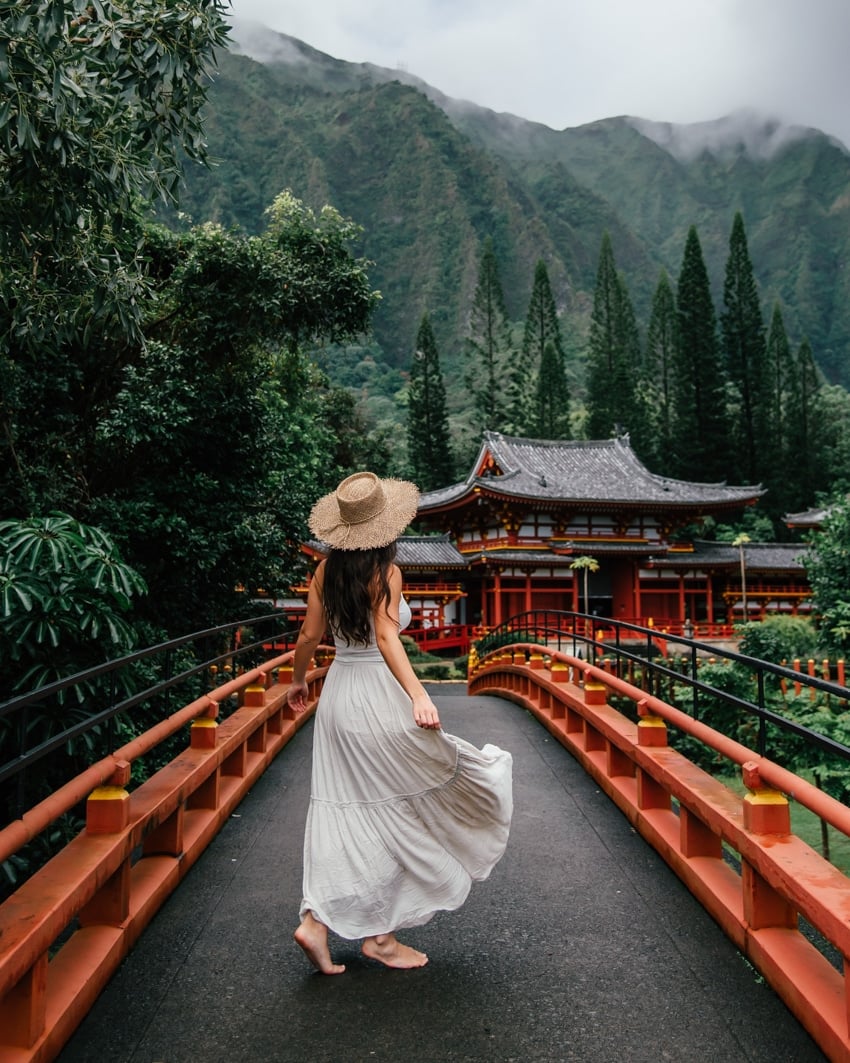
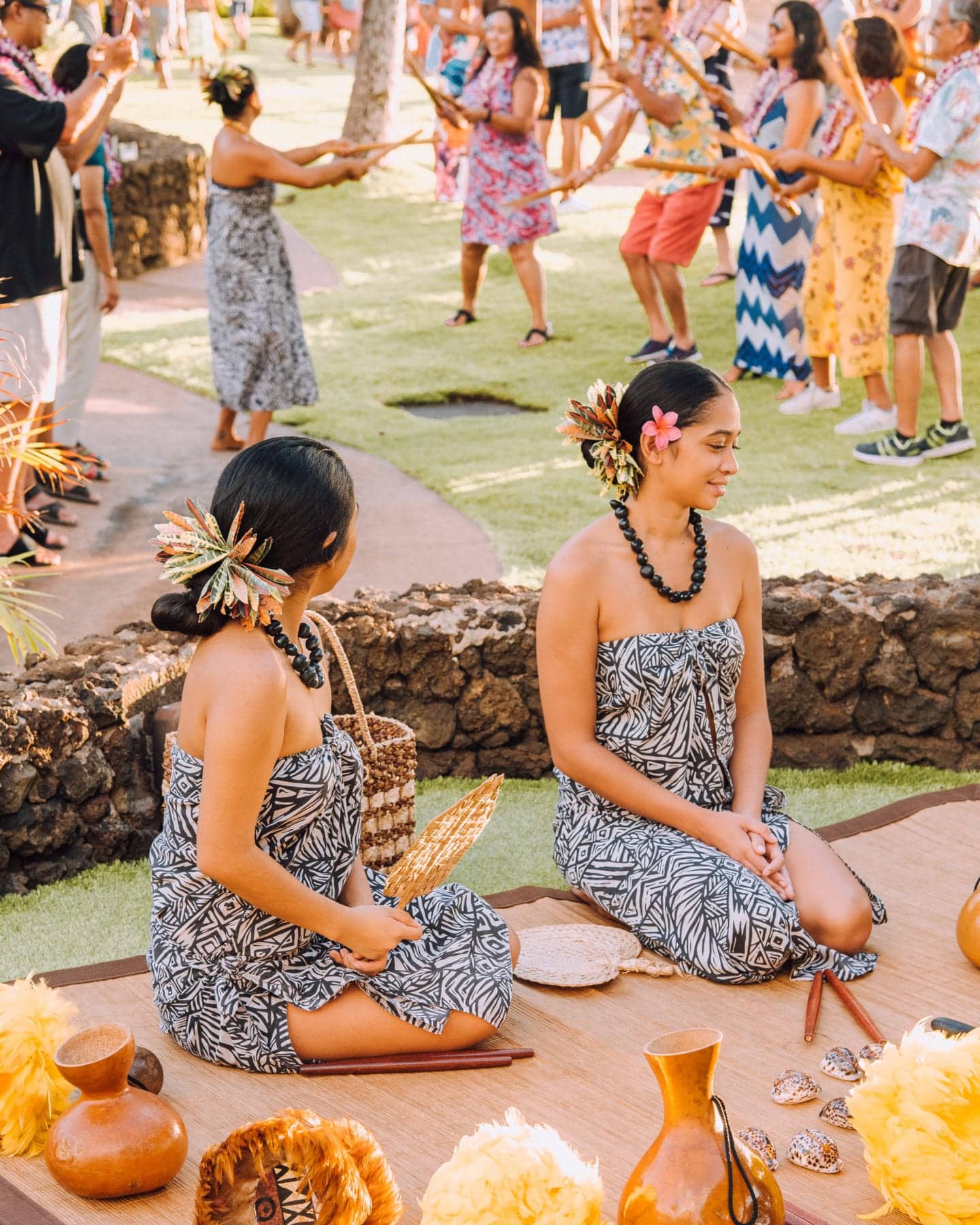
For travelers who want history and culture to occupy a meaningful part of the itinerary, Oahu is the stronger choice. The island gives visitors access to institutions and landmarks that tell interconnected stories about the Hawaiian Kingdom, immigration, plantation-era communities, contemporary Hawaii, and World War II.
ʻIolani Palace allows you to step into the political history of the monarchy rather than encountering it as a few dates on a plaque. The Bishop Museum adds extraordinary depth through Hawaiian and Pacific collections. Pearl Harbor presents another history entirely, and together these sites can fill more than one serious sightseeing day.
Maui’s history is embedded more visibly in landscapes. Kukaʻemoku rises above ʻĪao Valley, where the Battle of Kepaniwai took place during Kamehameha I’s campaign. Haleakalā carries spiritual and cultural meaning that deserves more attention than the sunrise photo. Lāhainā was once the capital of the Hawaiian Kingdom and remains a community as it recovers from the 2023 fire.
We also genuinely valued the Old Lāhainā Lūʻau. The food and setting were beautiful, but what stayed with me was the emphasis on Hawaiian storytelling and hula. It felt educational without losing the sense of celebration.
On either island, learn whose land you are entering, pronounce place names with care, obey closures, and spend money with locally owned businesses. That mindset makes the trip richer and more respectful.
Culture and history winner: Oahu.
Oahu vs. Maui: Hiking and Adventure

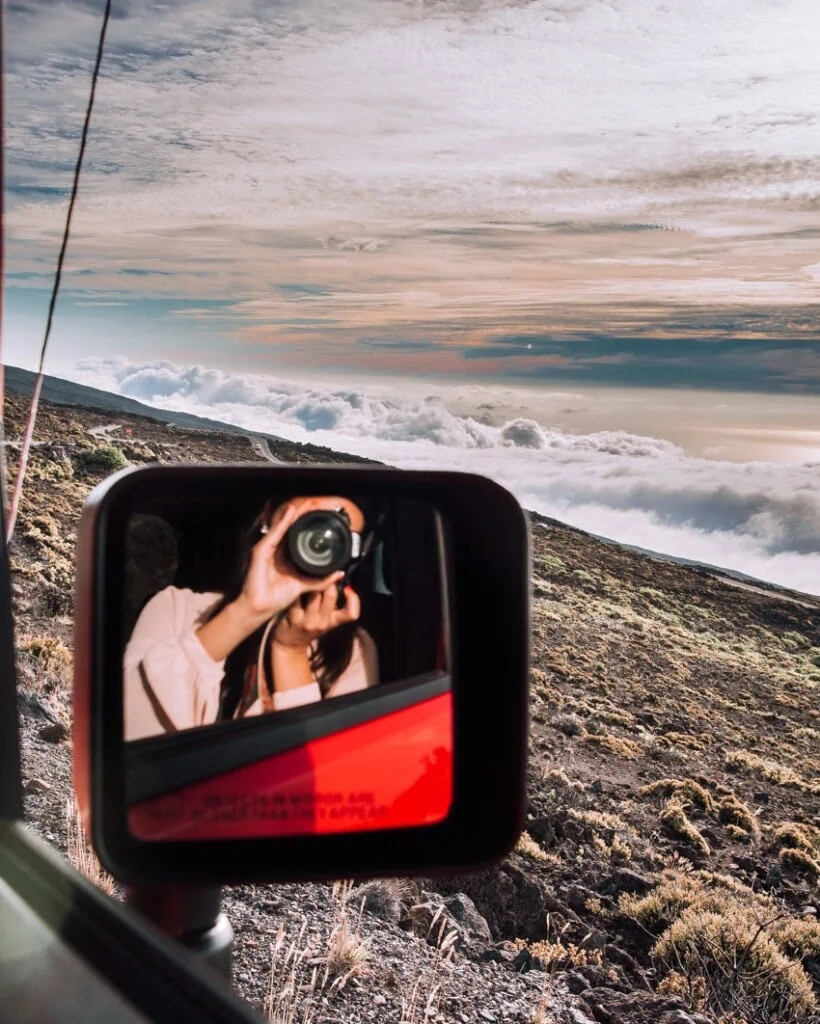
Choose Oahu for a trip with frequent hiking; choose Maui for a smaller number of highly distinctive outdoor days. Oahu’s trail network fits more easily around restaurants, museums, and beaches, whereas Maui often asks you to dedicate a region or most of a day to the adventure.
On Oahu, Makapuʻu Point is paved and approachable, Diamond Head is short and iconic, Manoa Falls supplies a rainforest atmosphere close to Honolulu, and Koko Crater turns an old railway into a serious workout. Experienced hikers can find much harder ridge routes with vast windward views. Trail legality and conditions matter; not every path promoted on social media is public or safe.
Maui answers with quality rather than quantity. Inside Haleakalā, Keoneheʻeheʻe—better known as Sliding Sands—drops into a colorful volcanic basin. On the Hāna side of the same national park, Pīpīwai moves through dense vegetation and bamboo on the way toward Waimoku Falls. Waiheʻe Ridge delivers a greener mountain hike, and the Kapalua Coastal Trail offers ocean scenery with far less effort.
As for Oahu’s Haʻikū Stairs: access is prohibited, so the fact that images circulate online does not make it an option for your itinerary. Stick to a legal trail and check official conditions before setting out.
Hiking winner: Oahu for range and frequency. Maui wins the subcategory of most unusual terrain.
Oahu vs. Maui: Hotels and Resorts


Maui has the superior destination-resort experience, while Oahu is better at giving travelers genuinely different types of places to stay. The island you choose matters, but the neighborhood may shape your vacation nearly as much.
Choosing an Oahu Base
- Waikīkī: Choose it when walkability, abundant restaurants, nightlife, and simple tour pickups outweigh your desire for quiet.
- Ko Olina: Choose it for polished resorts and protected lagoons, especially if children or a true resort day are priorities.
- North Shore: Choose it for surf culture and a slower environment, remembering that winter waves can change the beach experience.
- Windward Oahu: Choose it to wake up near the Koʻolau scenery and trade Honolulu convenience for atmosphere.
I can still picture the difference between our two Oahu stays. Waikīkī put our honeymoon on autopilot: shoes on, walk outside, pick a restaurant. Paradise Bay Resort gave us a quieter morning soundtrack. We could open the room, feel the mountain air, hear birds and water, and catch that sweet floral scent Hawaii somehow seems to carry. Neither was the “real” Oahu; they simply emphasized opposite sides of it.
See the pros and cons of each region in my detailed Oahu accommodation guide.
Choosing a Maui Base
- Wailea: The splurge choice for immaculate resorts, good beaches, beautiful grounds, and an easy honeymoon pace.
- Kīhei: A more independent South Maui base with condos, casual dining, and multiple beaches nearby.
- Kaʻanapali: A livelier West Maui resort strip where the beach, shops, restaurants, and activities sit close together.
- Kapalua: A green, quieter setting for travelers who value golf, spa time, and staying primarily on resort property.
- Hāna: A strategic overnight for travelers who want the east side after traffic thins, not a convenient base for the whole island.
We’ve personally stayed at four major Maui resorts, and they did not blur together. The Andaz Maui is my favorite: the interiors, pools, and understated luxury are exactly my style. Harrison votes for Grand Wailea because its breakfast and water slides won him over. The Hyatt Regency made Kaʻanapali easy to enjoy—and yes, the lobby penguins were memorable. The Ritz-Carlton Maui, Kapalua felt the most removed from everything; it suited golf, spa time, and a resort-first stay. We also still bring up the bread from Banyan Tree!
I compare those stays in my roundup of the best luxury resorts on Maui, and the Andaz Maui review explains why that one stood out to me.
West Maui remains home to people rebuilding after the 2023 Lāhainā wildfire. Spend with businesses that are open, follow access restrictions, and give residential and fire-affected areas privacy. Before going, review the official visitor information for Lāhainā rather than relying on an old itinerary.
Hotel and resort winner: Maui. Oahu wins only if selection, neighborhood variety, or price carries more weight than resort quality.
Oahu vs. Maui: Food and Nightlife
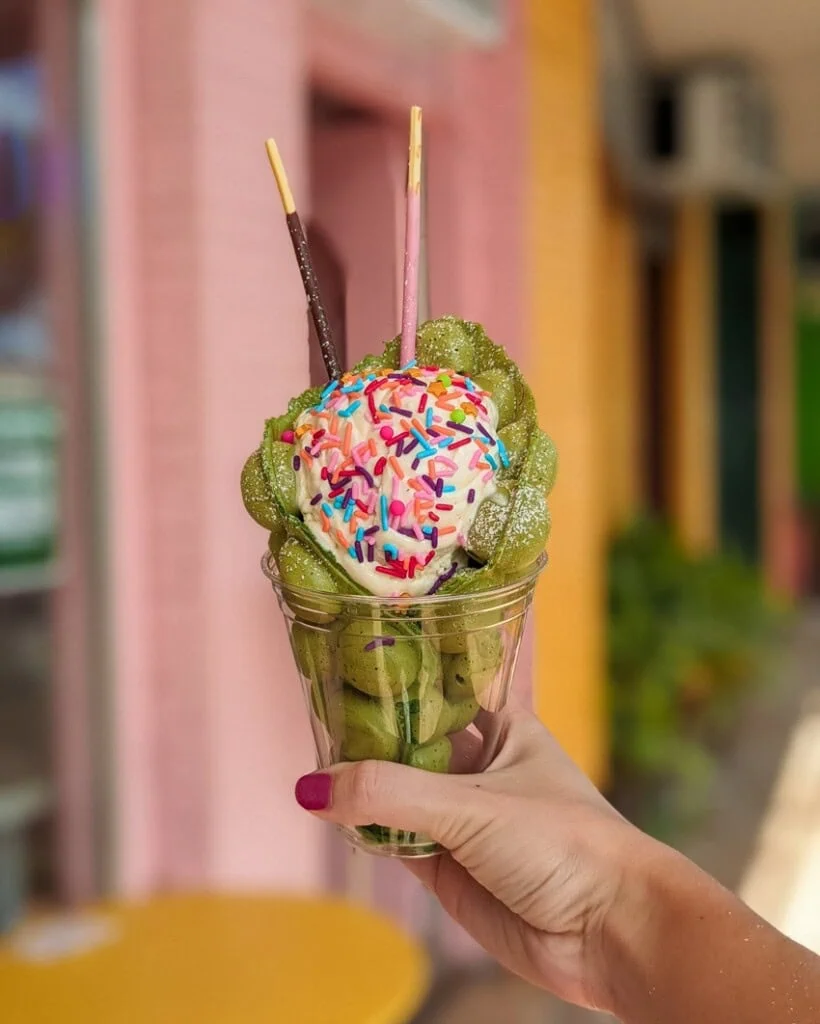
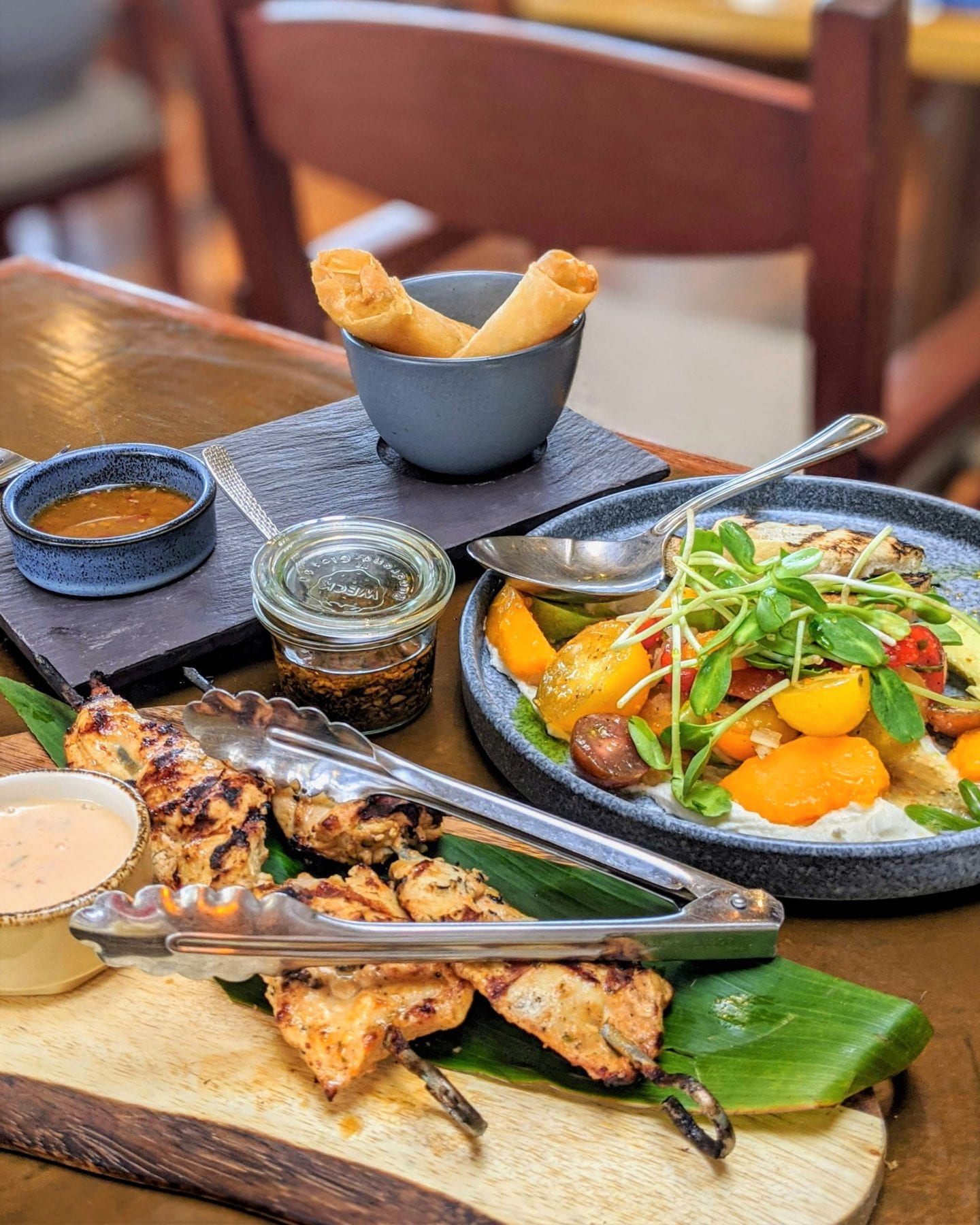
Oahu is the better eating island from breakfast through late night; Maui competes through a shorter list of meals that can become trip highlights.
Honolulu’s population and cultural mix translate into options: bakeries, ramen, poke, tasting menus, coffee, dim sum, Filipino food, cocktail bars, plate lunches, and almost anything else you might crave. Beyond the city, the North Shore’s food-truck culture makes eating part of the road trip. Some of our own standouts were Leonard’s malasadas, Thai food near Sunset Beach, Sunrise Shack bowls, and our final-night dinner at Fête. I will also say yes to a Spam musubi almost every time.
Maui cannot match that volume, yet it contains one restaurant Harrison and I talk about more than almost any other: Mama’s Fish House. The fresh fish, service, interior, and oceanfront setting made the whole lunch feel special rather than simply expensive. Other meals we remember include Monkeypod Kitchen, sushi at Vana Paia, Haliʻimaile General Store, Upcountry stops, and the bread at the Ritz-Carlton’s Banyan Tree.
After dark, the gap widens. Waikīkī and Honolulu keep serving, mixing drinks, and hosting music well after many Maui areas have become quiet. Maui evenings tend to center on sunset, dinner, a lūʻau, or entertainment at the resort. That suited us just fine when the following morning involved a boat or a long drive!
Food and nightlife winner: Oahu. Maui still wins “single meal I would plan months ahead” because of Mama’s Fish House.
Oahu vs. Maui: Weather
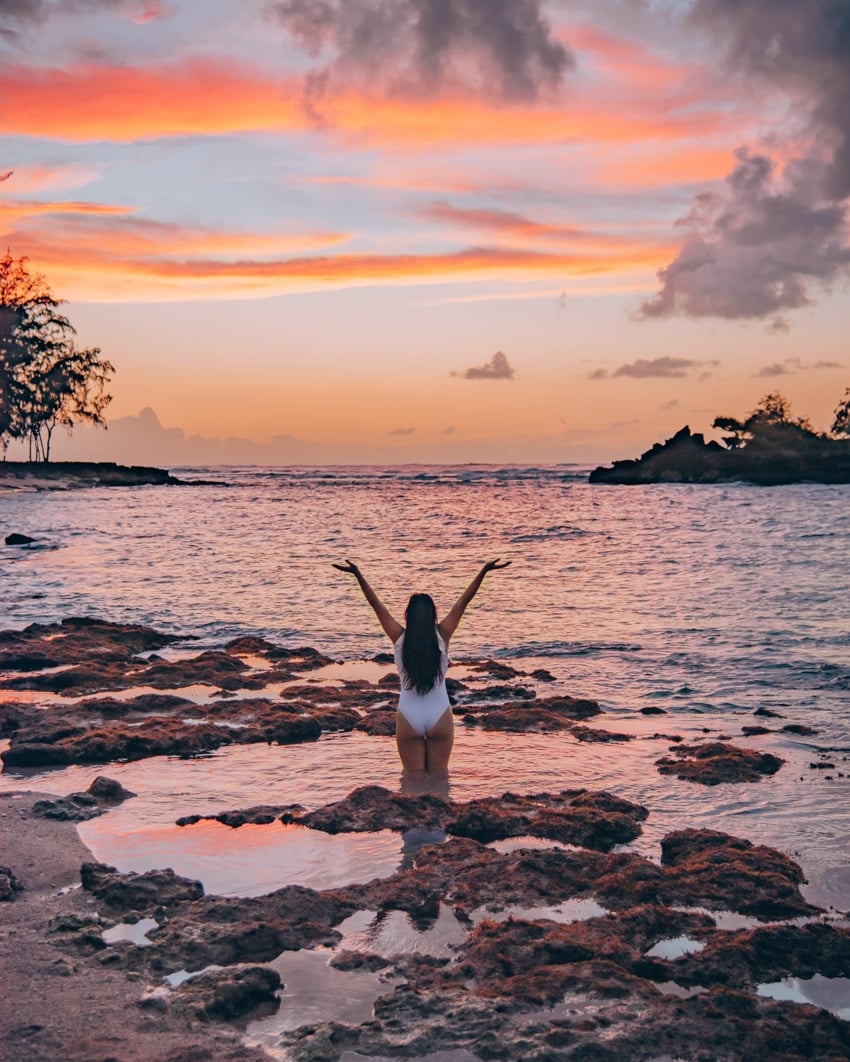
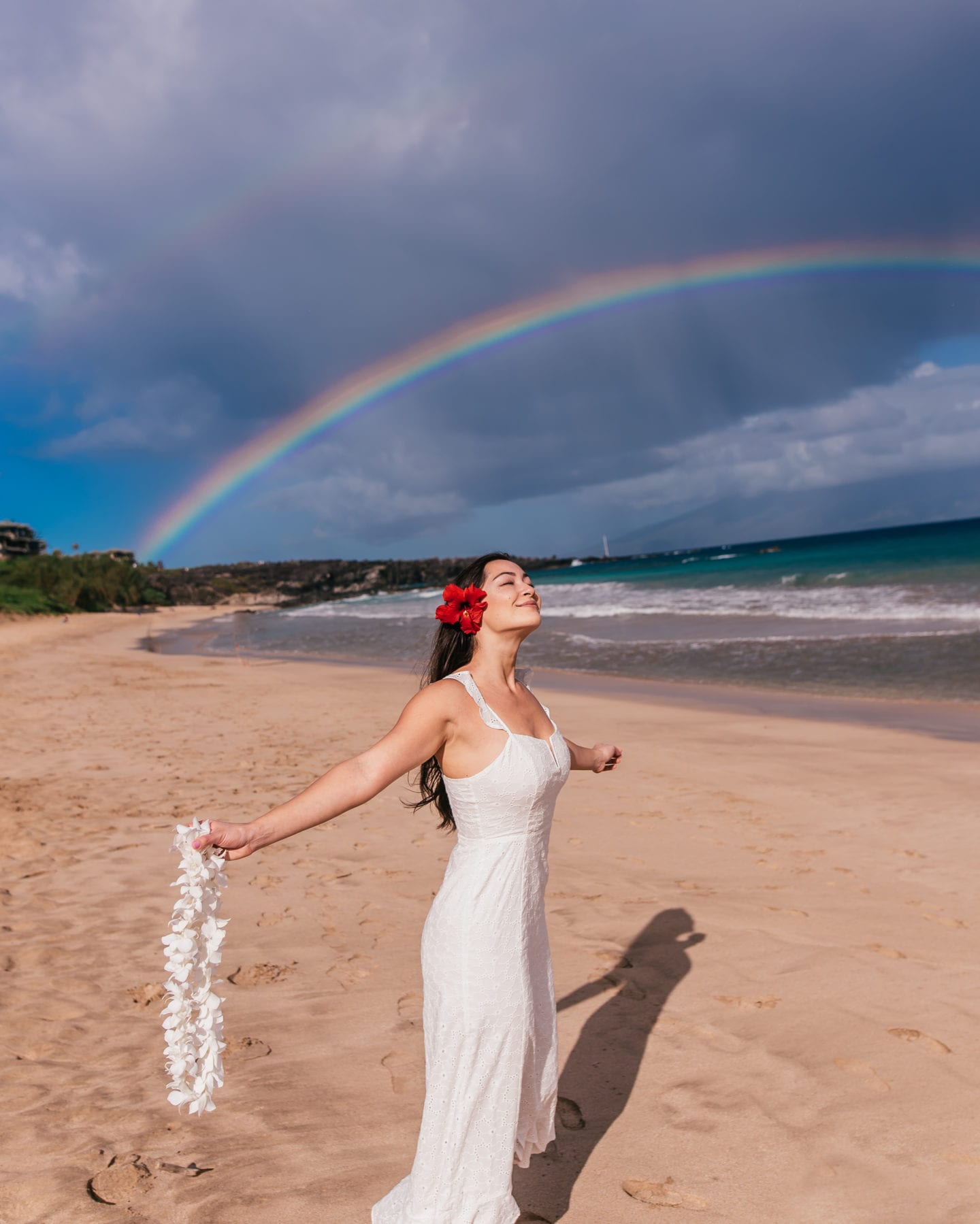
Maui gets a narrow win for travelers chasing dry resort weather, especially when they stay in Wailea or Kīhei. Still, “Oahu weather” and “Maui weather” are almost meaningless without naming the coast and elevation.
Waikīkī and Ko Olina sit on Oahu’s drier side. Cross the mountains toward Kāneʻohe and the extra moisture becomes visible in the deep green landscape. A brief shower may pass quickly, but windward plans always deserve a little flexibility.
South Maui is famously dry, which helps Wailea deliver the postcard resort weather people expect. Northwest Maui around Kapalua is greener. Hāna receives much more rain, and Haleakalā creates its own cold, windy high-altitude world. Pack for the summit as if it were a separate destination; beach clothes alone are not enough.
Season matters most for the ocean. Winter brings Maui’s humpback whales and powerful north swells on both islands. Summer often calms those same north-facing shores. Spring and fall are my favorite compromise when you want warmth with somewhat lighter demand. My Hawaii packing checklist includes a rain layer and the other pieces that are easy to forget.
Weather winner: Maui by a small margin, with South Maui providing the strongest case.
Oahu vs. Maui: Transportation and Driving


Oahu is the only one of these islands where I would say you could plan a full trip without a car. A Waikīkī base provides walkable beaches, buses, rideshares, and tour pickups—the combination that carried us through our honeymoon. However, staying car-free can unintentionally turn an Oahu vacation into a Honolulu-only trip. Renting a car for just two days lets you explore the Windward Coast and North Shore without paying a full week of hotel parking.
Maui’s highlights are too spread out for rideshares and resort shuttles to replace a rental car efficiently. Driving feels less urban than on Oahu, but routes such as the Road to Hāna and Haleakalā require time and patience. Our South-Maui-then-West-Maui hotel split helped reduce unnecessary cross-island drives.
On both islands, group activities geographically and download directions before entering low-service areas. Never block traffic for a photo, and let local drivers pass when safe. Maui’s northwest route includes narrow, one-lane sections, so check road conditions and rental restrictions before attempting it. A standard car is sufficient for the usual paved attractions; our Jeeps were simply for fun.
Transportation winner: Oahu. Maui offers the more scenic road trip, but Oahu gives you the freedom to skip driving altogether.
Is Oahu or Maui Better for Families?


For families, Oahu is better when variety reduces stress; Maui is better when simplicity reduces stress. That makes this one a true tie rather than a polite one.
Oahu supplies a long list of shorter activities and indoor-ish backups: the Waikīkī Aquarium, Honolulu Zoo, Bishop Museum, shopping, easy lookouts, gardens, and restaurants that do not require a major drive. Ko Olina’s lagoons and Aulani create a resort option, while Waikīkī can eliminate the repeated loading and unloading of car seats.
Maui makes the daily routine wonderfully predictable at the right hotel. Breakfast, beach, pool, nap, and sunset can all happen without moving the car. Grand Wailea’s slides and pools could carry a day by themselves, and several Wailea, Kaʻanapali, and Kapalua properties are designed for families to remain on-site comfortably.
The difficult part of Maui is deciding how much sightseeing to attempt. Haleakalā involves altitude, cold, and hours in the car. Hāna can become an exhausting day of curves and stops. Families whose children handle road trips may love both; families currently governed by naps may enjoy Maui more by deliberately skipping a few famous places.
For transparency, I have not experienced both islands with our children in an identical way. I am basing this recommendation on the hotels, beaches, drives, and attractions we know firsthand—not claiming that a couples itinerary automatically translates to toddler travel.
Family result: tie. Choose Oahu for options and flexibility; choose Maui for an easy resort routine.
Is Oahu or Maui Better for a Honeymoon?

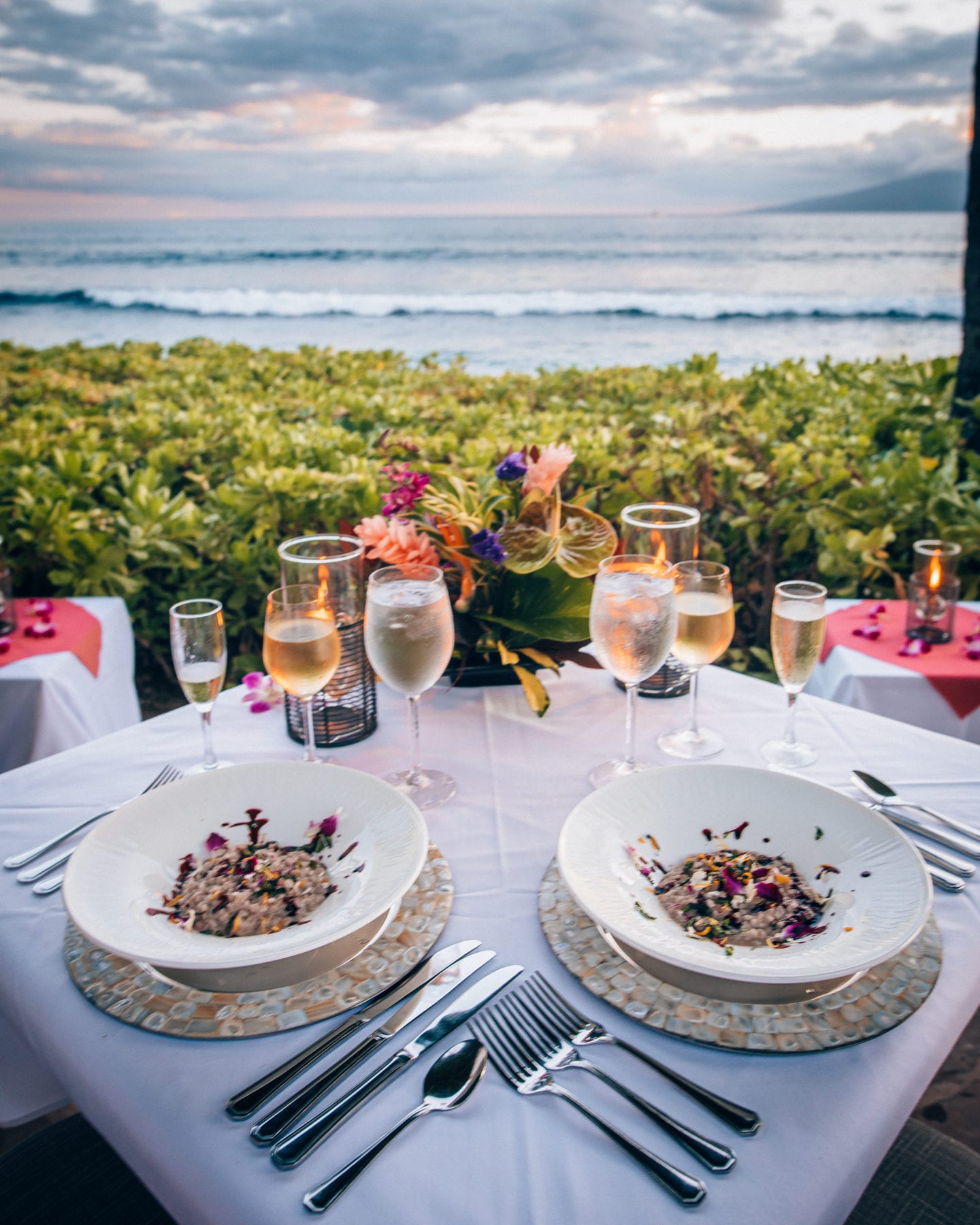
Maui is my recommendation for the classic Hawaii honeymoon; Oahu is the smarter honeymoon for couples who value energy, variety, or a lower total cost.
I say that as someone who actually honeymooned on Oahu! Waikīkī was ideal for the stage of life we were in. We did not need to navigate, designate a driver, or debate what to do after dinner. We could walk outside and let the day unfold. That convenience created more time together and less planning, which is romantic in its own way.
Maui more closely matches the honeymoon people picture in their heads: an elegant room, a beautiful pool, long dinners, spa time, and sunsets with fewer high-rises in view. Then, when you want an adventure, Haleakalā, Hāna, a sail, or a snorkeling trip keeps the week from feeling like one long lounge chair.
If we were choosing now, with a larger budget and all our later Hawaii experience, I would select Maui for the honeymoon itself. I would still happily choose Oahu for an anniversary built around food and exploring.
Honeymoon winner: Maui. Oahu remains a great alternative for couples who want more action or less resort spending.
How Long Should You Spend on Oahu or Maui?
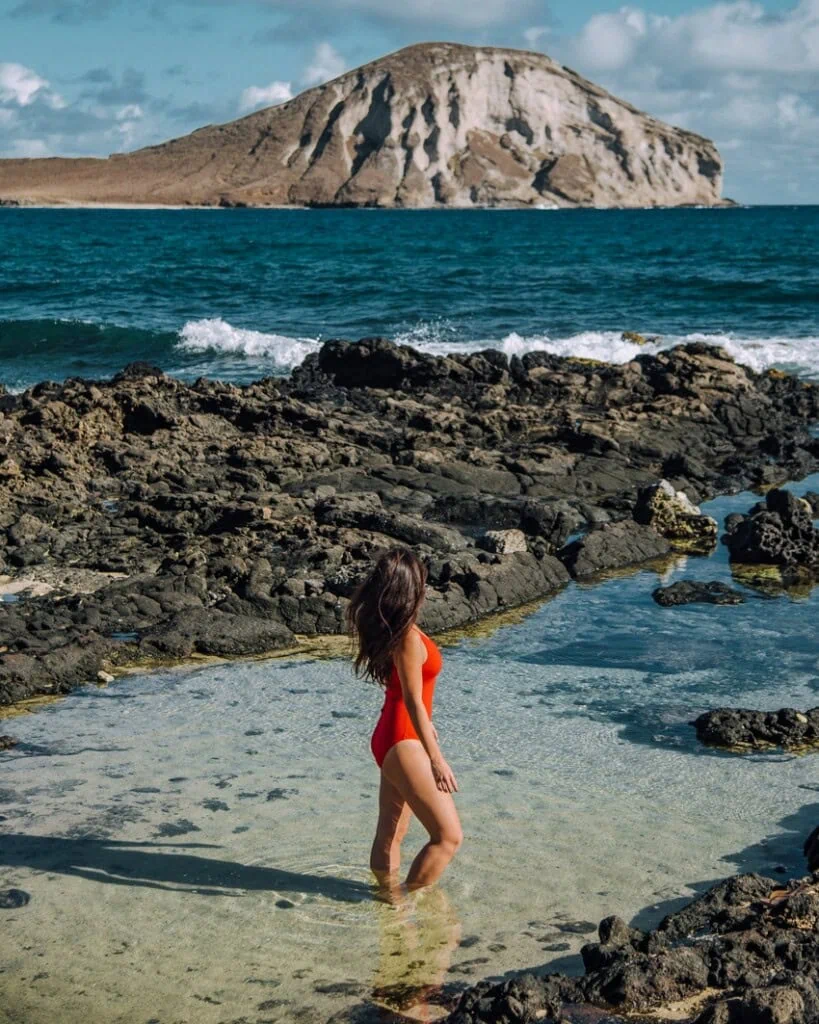

Five full days is my minimum for either island, but Maui benefits even more from a seven-day stay. Oahu can absorb a quick trip because so much is concentrated around Honolulu. Maui’s long signature days and expensive resorts make rushing feel particularly counterproductive.
- Three or four days: Stay in one primary region and choose only two major outings.
- Five days: Enough for Oahu’s primary highlights or a Maui trip with clear priorities.
- Seven days: The best balance of sightseeing, beach time, and schedule flexibility.
- Eight to ten days: Ideal for a two-base Maui plan or a deeper Oahu trip that includes slower North Shore and Windward days.
For Oahu, build days around Honolulu, the southeast coast, Windward Oahu, the North Shore, and the leeward side rather than zigzagging through traffic. For Maui, give Hāna and Haleakalā their own slots, then cluster South Maui, Upcountry, Central Maui, and West Maui. Our four-night Wailea plus two-night West Maui arrangement reduced backtracking and let the hotels feel like part of the itinerary.
Combining Oahu and Maui works especially well because one supplies city energy and cultural depth while the other delivers resort calm. I would want at least ten nights for the pair, and preferably 12 to 14. Changing islands may involve a short flight, but the checkout-airport-rental-car-check-in process still takes a large piece of the day.
Important Reservations for Oahu and Maui
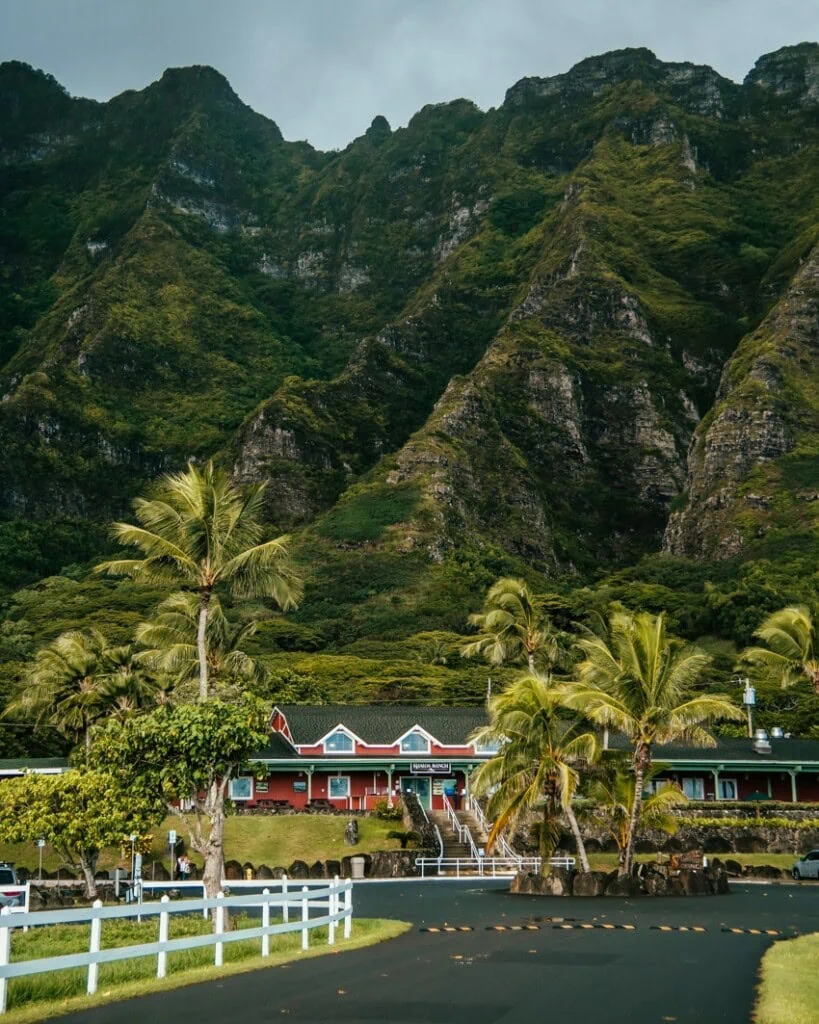
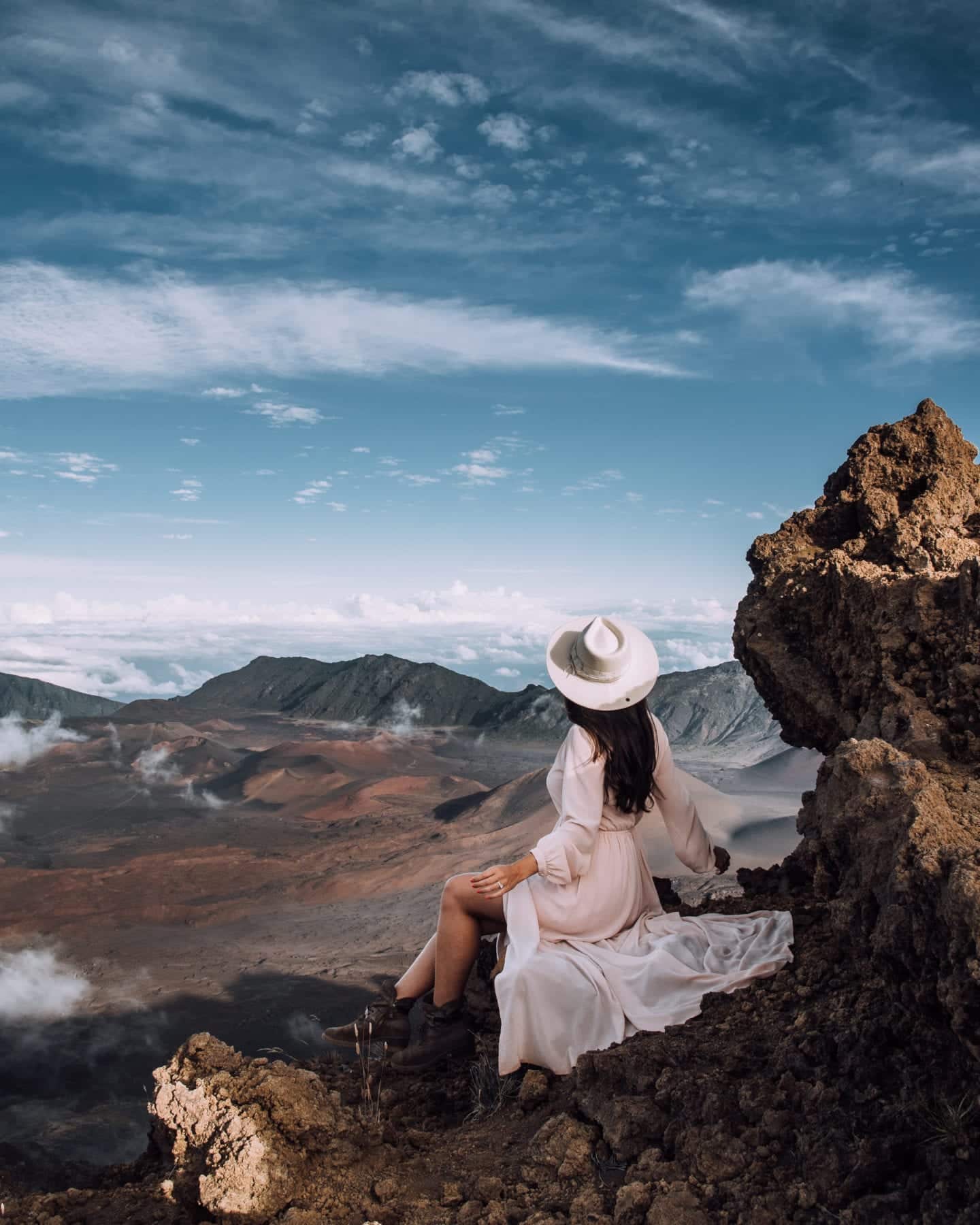
A few reservations can determine the shape of your entire itinerary. Put their release dates on your calendar first, then arrange flexible beaches and meals around them. The rules below were current when I updated this guide, but the linked official pages should always have the final word.
Oahu Reservations
- Diamond Head: Visitors without Hawaii residency must reserve their entry, and drivers need a parking reservation too. The booking calendar extends 30 days; current charges are $5 per visitor and $10 for a vehicle. Use the state reservation portal.
- Hanauma Bay: The preserve operates Wednesday through Sunday and closes Monday, Tuesday, December 25, and January 1. Online inventory appears two days before the visit at 7:00 a.m. HST. A small number of walk-ins may be admitted, but advance booking is the dependable plan. Current nonresident admission is $25 for ages 13 and up; younger children enter free, and nonresident parking is $3. Confirm everything on the City and County of Honolulu page.
- USS Arizona Memorial program: There is no admission charge, though Recreation.gov collects a $1 service fee for each reserved ticket. Tickets are released at 3:00 p.m. HST first 56 days before the visit date, then again on the afternoon before the visit. Do not expect to collect a same-day ticket at the visitor center. Book through Recreation.gov.
- Kualoa Ranch: The most popular tour types and convenient times can disappear well before arrival. Once you know the experience you prefer, reserve it instead of waiting to decide on the island.
Maui Reservations
- Haleakalā sunrise: Each vehicle entering the Summit District from 3:00 to 7:00 a.m. needs a sunrise booking in addition to regular park admission. Inventory is released at 7:00 a.m. HST 60 days ahead, with another allotment released 48 hours ahead. The sunrise booking currently costs $1. Reserve it on Recreation.gov.
- Waiʻānapanapa State Park: Nonresident visitors must prebook both entry and parking when arriving by car. Time slots open 30 days ahead at midnight HST, and the park does not sell reservations for the same day. Use the official Waiʻānapanapa booking page.
- ʻĪao Valley State Monument: Nonresidents must arrange admission and parking before visiting. The state opens dates as far as 30 days in advance on its ʻĪao Valley reservation page.
- Mama’s Fish House: Main dining room reservations are required, and the restaurant commonly fills months in advance. Book only through Mama’s official website. Very limited bar seating is handled first-come, first-served, which is too uncertain for a meal I cared this much about.
- Old Lāhainā Lūʻau: Secure your date early through the lūʻau’s website. When a performance is full, its official waitlist is the appropriate backup.
Weather, wildfire impacts, flooding, and road repairs can affect access even after you have booked. Recheck park notices and driving conditions shortly before each outdoor day, and let a closure change the plan rather than trying to work around it.
Oahu vs. Maui: Which Island Should You Choose?

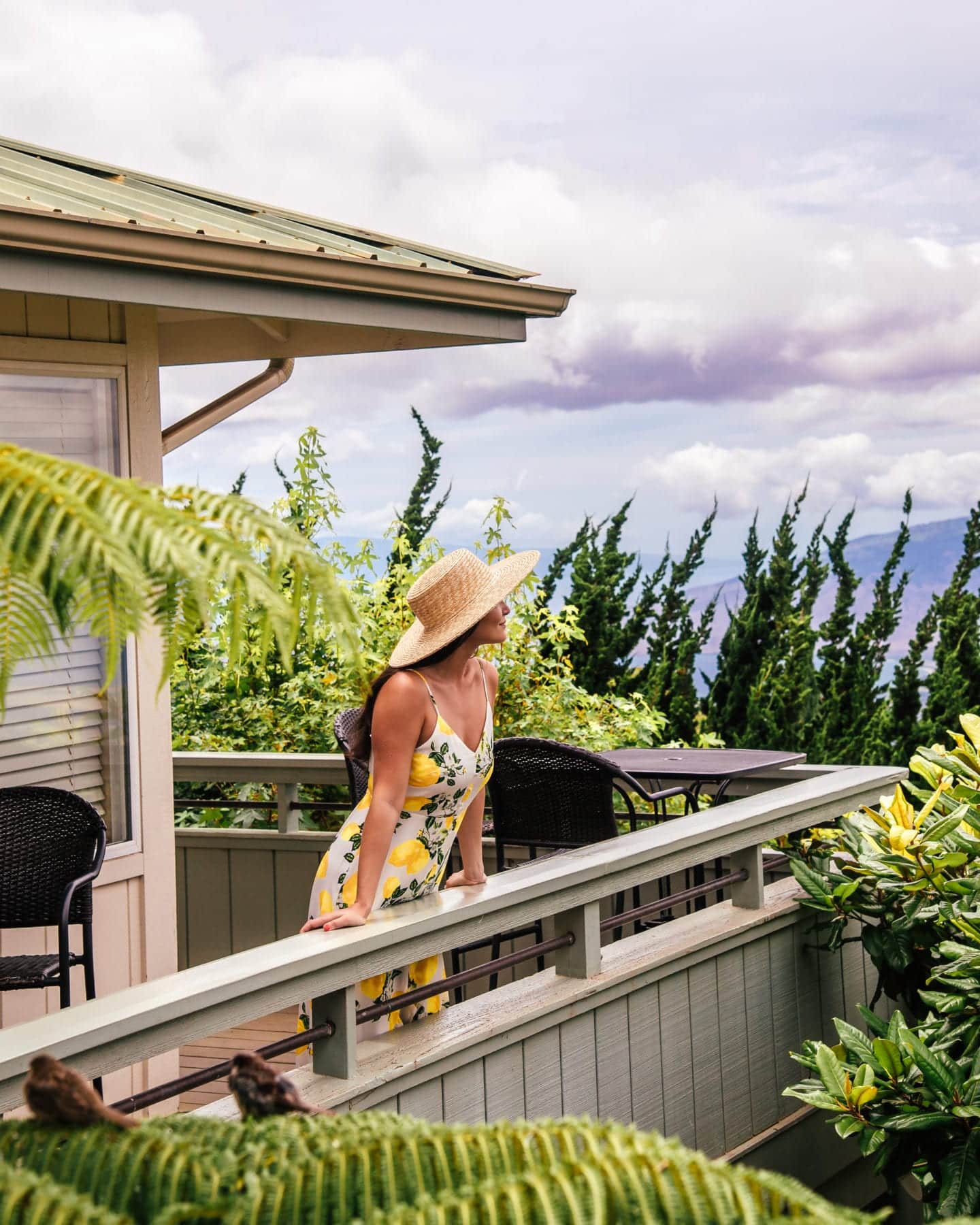
Oahu is the practical all-rounder: less expensive, easier without a car, and stronger for food, history, hiking selection, nightlife, and mixed-interest travel. Maui is the experiential luxury choice: better for destination resorts, varied scenery, romantic pacing, scenic drives, and a vacation built around the beach and water.
Oahu Is Probably Right for You When…
- Your wish list includes museums, historic sites, restaurants, shopping, hikes, and beaches rather than one dominant theme.
- You want Hawaii but do not want every day to depend on a rental car.
- Hotel price and access to inexpensive meals meaningfully affect the decision.
- Your group contains both devoted beach people and people who become restless after two hours on the sand.
- You enjoy an energetic home base and do not need the entire island to feel remote.
Maui Is Probably Right for You When…
- You want the hotel pool, beach, spa, and restaurants to justify part of the trip on their own.
- Haleakalā and the Road to Hāna sound more exciting than city museums or nightlife.
- Snorkeling, whale watching, paddling, or sailing will be central to the itinerary.
- You are celebrating a honeymoon or anniversary and want the trip to feel unhurried.
- You are prepared for higher room prices and comfortable driving between regions.
My objective recommendation and personal temptation are slightly different here. For someone describing a long list of interests or worrying about cost, I would recommend Oahu. It answers more travel styles at once. For my own return vacation, Maui would be extremely hard to resist. It has long been my favorite Hawaiian island because a week can contain both real adventure and true rest without either feeling like filler.
Here is the shortest version: Oahu keeps more options open; Maui makes it easier to settle into vacation mode.
If another island is still in the running, start with my guide to choosing the right Hawaiian island. Then read my Oahu and Kauai comparison or my guide to Maui versus Kauai.
The good news is that this is not a permanent choice. The island you skip can be the beginning of the next trip!
Which vacation sounds more like you—Oahu or Maui? Tell me in the comments!
Safe travels!
Jasmine
PS. If this Oahu vs. Maui guide helped you decide, save it on Pinterest so you can find it again while planning!
Oahu vs. Maui FAQs
Should a first-time Hawaii visitor choose Oahu or Maui?
Choose Oahu for the broadest first look at Hawaii: royal history, Pearl Harbor, a major food scene, famous beaches, surf culture, mountains, and city life all fit into one trip. Choose Maui when your first-Hawaii dream is more specific—an excellent resort, beach time, snorkeling, Haleakalā, and the Road to Hāna. Oahu is the more versatile introduction; Maui is the more relaxed one.
Which is more scenic, Maui or Oahu?
Maui presents more dramatically different landscapes, moving from dry South Maui to rainforest near Hāna, farms Upcountry, green ʻĪao Valley, and the volcanic summit of Haleakalā. Oahu’s signature scenery is the abrupt meeting of the Koʻolau Mountains and the Windward Coast. Maui wins for range; Oahu may win if emerald ridges above turquoise water are your favorite view.
Are Maui’s beaches better than Oahu’s?
Maui’s resort coasts make sandy beach days and snorkeling especially convenient. Oahu has the broader collection, from Waikīkī surf lessons and Ko Olina lagoons to Lanikai sand and the seasonal power of Waimea Bay. Maui may suit a resort beach vacation better, while Oahu suits travelers who want to sample many kinds of coast.
Should families with children pick Oahu or Maui?
Pick Oahu when your family needs frequent activity changes, non-beach alternatives, and the possibility of avoiding a car. Pick Maui when a family-friendly resort, pool, beach, and slower daily schedule will keep everyone happiest. With babies and toddlers, Maui becomes much easier if you do not insist on completing every long scenic drive.
How much more expensive is Maui than Oahu?
The gap changes by season and property, but hotels are the largest difference. State data for the first half of 2026 reported average daily rates of $545.28 in Maui County and $277.44 on Oahu, making the Maui County average approximately 97% higher. Maui visitors are also more likely to need a rental car for the full stay.
Does Maui feel less crowded than Oahu?
Maui generally feels less urban because it has no equivalent to Honolulu, but that does not guarantee solitude. Wailea, Kaʻanapali, Haleakalā sunrise, and popular Hāna stops concentrate plenty of visitors. Oahu feels busiest around Waikīkī and central Honolulu; a Windward or North Shore stay produces a very different impression.
Is a Rental Car Necessary on Oahu and Maui?
You can comfortably skip a car on an Oahu trip based in Waikīkī, particularly when you use buses, rideshares, and organized tours. A car is still valuable for independent North Shore and Windward Coast days. On Maui, renting one is the practical choice because beaches, resorts, Haleakalā, Hāna, ʻĪao Valley, and Upcountry are spread across separate regions.
Is Maui drier than Oahu?
South Maui around Kīhei and Wailea is extremely dry, giving Maui a slight advantage for resort sunshine. Oahu also has dry areas, especially Waikīkī and Ko Olina. Both islands become wetter on their windward sides, and Maui’s Hāna coast is much rainier than its primary southern resort district.
Is Maui or Oahu more romantic?
Maui is more naturally suited to a traditional romantic escape because its luxury resorts, quieter evenings, sunset experiences, and scenic drives encourage couples to slow down. Oahu is romantic in a livelier way, with more date-night restaurants, entertainment, and activities. It can also make a honeymoon substantially more affordable.
Is it worth visiting Oahu and Maui on the same trip?
Yes. The pairing works because Oahu’s history, food, and urban variety contrast with Maui’s resorts and scenic-road-trip pace. Allow ten nights at an absolute minimum and ideally 12 to 14. With only one week, staying on a single island usually creates a better vacation than sacrificing time to another airport and hotel change.